Author name: Bia

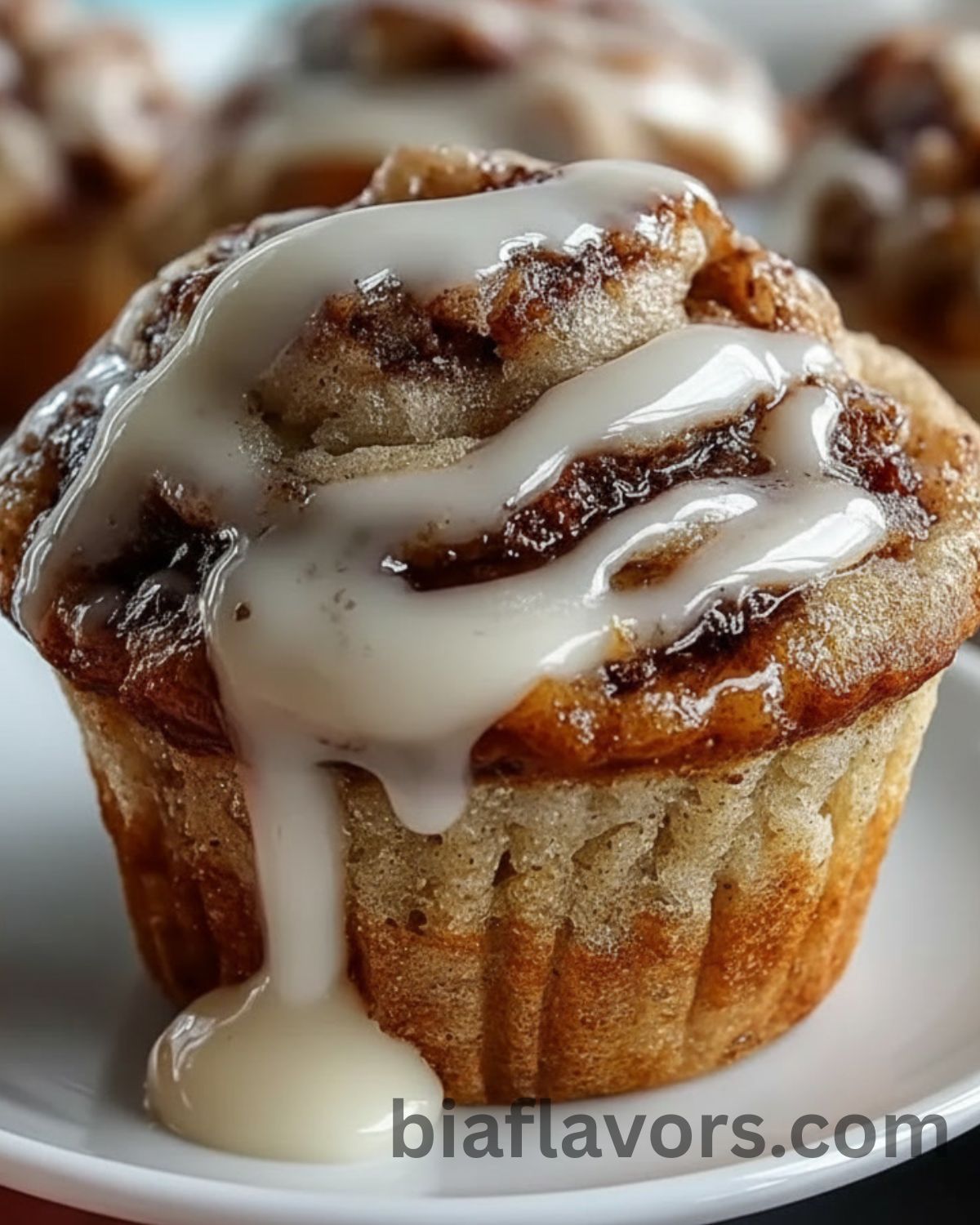
Cinnamon roll muffins with buttery cinnamon swirl and vanilla glaze
Muffins

Cinnamon Roll Muffins

These cinnamon roll muffins are soft, fluffy, and filled with warm cinnamon sugar swirls in every bite. They taste just like classic cinnamon rolls but come together much faster and easier in muffin form, making them perfect for busy mornings or quick homemade treats. I tested this recipe to get the texture just right because muffins can easily turn dry or lose that gooey cinnamon swirl. After adjusting the butter, sugar, and swirl ratio, they baked up perfectly tender with a soft crumb and a sweet, buttery cinnamon center. They’re simple, comforting, and smell absolutely amazing while baking bringing that cozy bakery-style cinnamon roll experience straight to your kitchen without the extra waiting time. Why You’ll Love These Cinnamon Roll Muffins These muffins are soft, fluffy, and packed with sweet cinnamon sugar swirls that taste just like classic cinnamon rolls but without the long waiting time. Every bite has a warm, buttery flavor with a cozy cinnamon aroma that feels like fresh bakery treats straight from the oven. They’re also quick and easy to make with simple pantry ingredients, making them perfect for beginners. Whether you serve them for breakfast, brunch, or a sweet snack, they always feel comforting, homemade, and irresistibly delicious. Ingredients You’ll Need for Cinnamon Roll Muffins Cinnamon Sugar Filling Cream Cheese Glaze How to Make Cinnamon Roll Muffins Preheat and prepare the pan Preheat your oven to 400°F (200°C) so it reaches the right temperature before baking. Generously grease a 12-cup muffin tin to prevent sticking and ensure the muffins release easily after baking. This step also helps create nice, even edges on each muffin. Mix the dry ingredients In a large bowl, sift together the flour, baking powder, salt, and sugar. Sifting helps remove lumps and adds air into the flour mixture, which keeps the muffins light, soft, and bakery-style instead of dense. Mix the wet ingredients In a separate bowl, whisk together the melted butter, egg, and milk until the mixture is smooth and fully combined. Make sure the butter is slightly cooled so it doesn’t scramble the egg. This wet mixture adds moisture and richness to the muffins. Combine the batter Make a well in the center of the dry ingredients and pour in the wet mixture. Stir gently just until no dry flour remains. Do not overmix, as this can make the muffins heavy instead of soft and fluffy. The batter should look slightly thick but smooth. Prepare the cinnamon filling In a bowl, mix the brown sugar, cinnamon, chopped nuts, and melted butter until everything is well coated and crumbly. This filling creates the signature cinnamon roll swirl, adding a sweet, buttery, and slightly crunchy layer inside and on top of the muffins. Add filling to batter Fold half of the cinnamon mixture into the batter so you get a swirl effect throughout. Then spoon the batter into the muffin cups, filling each about ¾ full. Sprinkle the remaining cinnamon mixture on top so it bakes into a sweet, caramelized topping. Bake the muffins Bake for 12–15 minutes, or until the tops are golden and spring back lightly when touched. Be careful not to overbake, as this can dry them out and reduce the soft cinnamon roll texture. Make the cream cheese glaze Whisk together the cream cheese, powdered sugar, milk, and vanilla extract until smooth and creamy. Adjust with a little milk if needed to make it drizzle easily over the muffins. The glaze should be silky, not too thick or too runny. Finish and serve Once the muffins are slightly cooled, drizzle the cream cheese glaze over the top so it melts slightly into the warm muffins. Serve warm for the best experience soft, fluffy muffins with gooey cinnamon swirls and a sweet creamy finish. Expert Tips for Perfect Cinnamon Roll Muffins Don’t overmix the batter Once you combine wet and dry ingredients, mix only until just combined. Overmixing can make the muffins dense instead of soft and fluffy, which takes away that bakery-style texture. Use room temperature ingredients Eggs and milk should be at room temperature so everything blends smoothly. This helps create a more even batter and gives better rise in the oven. Don’t skip the cinnamon topping layer Adding cinnamon sugar on top before baking is what creates that caramelized “cinnamon roll” crust. It melts slightly in the oven and gives a beautiful bakery-style finish. Fill muffin cups properly Fill each cup about ¾ full. This allows the muffins to rise properly without spilling over while still keeping a nice dome shape. Watch baking time closely These muffins bake quickly, so start checking at 12 minutes. Overbaking can dry them out, so remove them as soon as they spring back lightly when touched. Glaze while slightly warm Drizzling the cream cheese glaze over slightly warm muffins allows it to melt gently into the top, making them extra soft and flavorful. Personal tip I’ve noticed these muffins taste even better after 10–15 minutes of resting the cinnamon sugar softens slightly and blends beautifully into the fluffy muffin base. Common Mistakes to Avoid Overmixing the batter Mixing too much after adding wet ingredients can develop gluten and make the muffins tough instead of soft and fluffy. Stir only until everything is just combined. Using too much flour Adding extra flour can make the muffins dry and dense. Always measure carefully using level cups for the best light texture. Skipping the greasing step If the muffin tin isn’t properly greased, the muffins can stick and break when removed. Make sure to coat each cup well before adding batter. Overbaking the muffins Leaving them in the oven too long will dry them out. Remove them as soon as they are golden and spring back lightly when touched. Adding glaze on very hot muffins If the muffins are too hot, the cream cheese glaze will melt completely and run off. Let them cool slightly so the glaze sits nicely on top. Not layering cinnamon filling properly If the cinnamon sugar

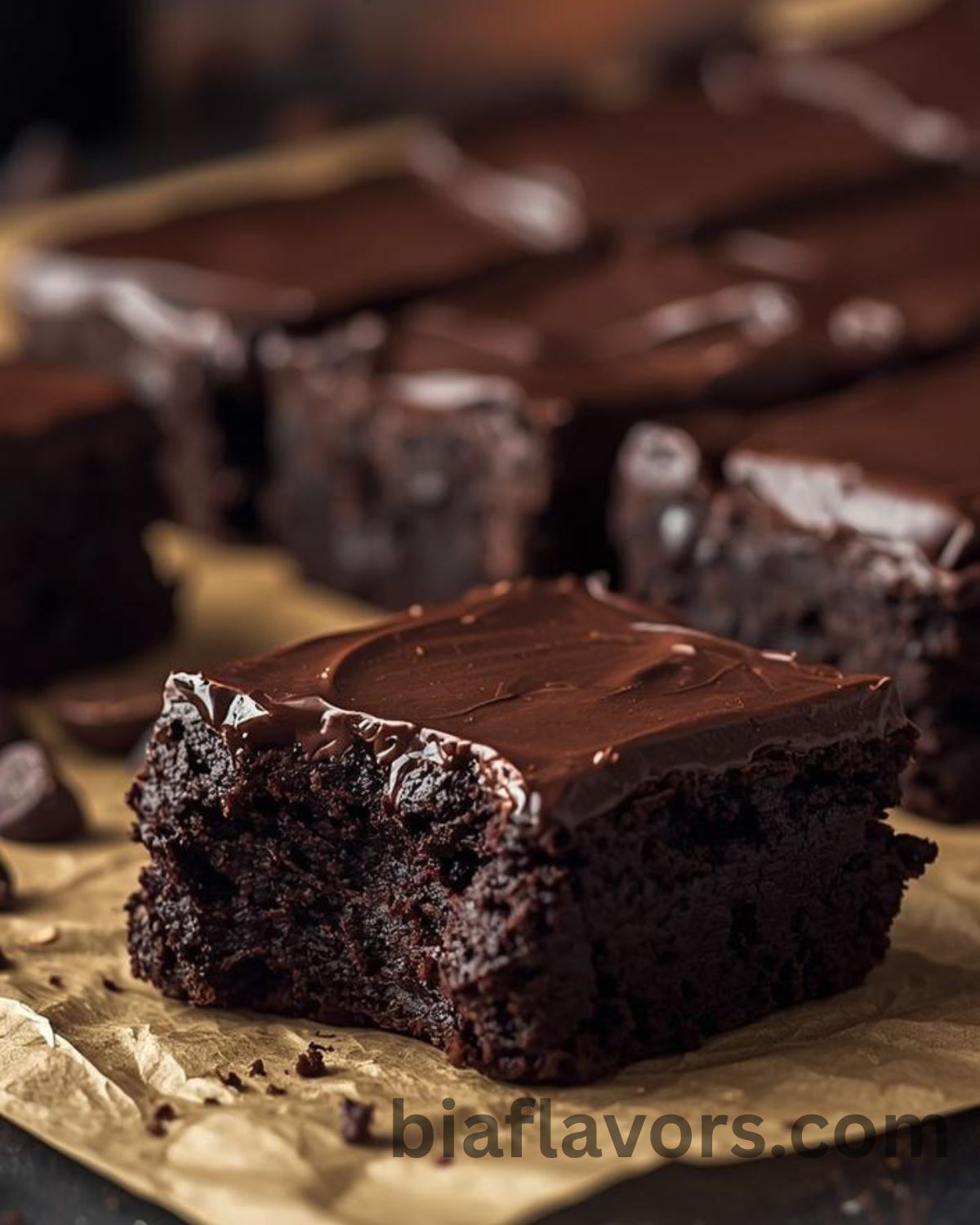
Fudgy Guinness brownies with rich chocolate glaze and dense texture
Bars & Brownies

Guinness Brownies

These Guinness brownies are rich, fudgy, and intensely chocolatey with a deep, slightly roasted flavor that comes from the Guinness. The beer doesn’t make them taste like alcohol instead, it enhances the chocolate and gives the brownies a more complex, bakery-style richness. I tested this recipe a few times to get the balance just right because brownies can easily turn dry or overly dense. After adjusting the cocoa, butter, and Guinness ratio, the result came out perfectly moist in the center with a shiny, crackly top and a soft, fudgy bite. It’s a simple one-bowl style dessert that comes together quickly and delivers a bold chocolate flavor, making it perfect for celebrations, gatherings, or any serious chocolate craving. Why You’ll Love These Guinness Brownies These brownies are extra fudgy, rich, and deeply chocolatey with a smooth, almost velvety texture in every bite. The Guinness enhances the cocoa flavor without making them taste like beer, instead giving a subtle depth that makes the chocolate taste even more intense. They’re also simple to make in one bowl with basic ingredients, making them perfect for both beginners and experienced bakers. Whether you’re baking for a party, holiday, or chocolate craving, these brownies feel indulgent, bold, and bakery-style every time. Ingredients You’ll Need for Guinness Brownies Guinness Brownies Chocolate Topping How to Make Guinness Brownies Prepare the pan Preheat your oven to 350°F (180°C) and grease a 9×9-inch baking pan. Line it with parchment paper, leaving some overhang on the sides so you can easily lift the brownies out later. This helps keep clean edges and makes slicing easier. Mix the wet ingredients In a large mixing bowl, whisk together the vegetable oil, Guinness, sugar, espresso powder (if using), vanilla extract, and salt until well combined. This step builds the base flavor and helps the sugar dissolve for that shiny brownie top. Add butter and eggs Pour in the melted butter and whisk until smooth. Then add the eggs and mix again until the batter looks glossy and fully combined. This gives structure and richness to the brownies. Add dry ingredients Add the flour and cocoa powder to the wet mixture. Gently whisk just until combined and no dry streaks remain. Avoid overmixing to keep the brownies dense, fudgy, and soft in the center. Bake the brownies Pour the batter into the prepared pan and spread it evenly. Bake for 30–35 minutes, or until a toothpick inserted in the center comes out with a few moist crumbs. Let the brownies cool completely in the pan before adding the topping. Make the chocolate topping In a microwave-safe bowl, combine the chocolate chips, butter, and Guinness. Heat for about 30 seconds, then whisk until smooth and glossy. If needed, warm a few seconds more until fully melted. Add the powdered sugar and mix until silky. Finish and set Pour the chocolate topping over the cooled brownies and spread it evenly. Let it set completely at room temperature or in the fridge before slicing. Once firm, lift out using the parchment paper and cut into neat squares for serving. Expert Tips for Perfect Guinness Brownies Use room temperature eggs Room temperature eggs mix more easily into the batter, helping you get a smooth, even texture without overmixing. Don’t overmix the batter Once you add the flour and cocoa powder, mix just until combined. Overmixing can make the brownies dense in a tough way instead of fudgy and soft. Let Guinness sit briefly if needed If your Guinness is very cold, let it sit for a few minutes before using. This helps it blend better into the batter and improves texture consistency. Watch baking time carefully Brownies should be slightly underbaked in the center for that fudgy texture. A few moist crumbs on the toothpick means they are perfect. Cool completely before topping If the brownies are warm, the chocolate topping will melt and slide off. Always wait until they are fully cooled for a smooth ganache layer. For extra fudginess Slightly underbake and chill before slicing. This gives you clean cuts and a rich, dense texture. Personal touch When I first made these, I noticed the flavor actually improves after a few hours of resting the Guinness and chocolate blend together and make the brownies taste even deeper and richer the next day. Common Mistakes to Avoid Overmixing the batter Mixing too much after adding flour can make the brownies cakey instead of fudgy. Stir just until everything is combined for a soft, dense texture. Overbaking One of the biggest mistakes is baking too long. If you wait until the brownies are fully firm, they will turn dry. Remove them when a toothpick shows a few moist crumbs. Using cold ingredients Cold eggs or butter can affect how smoothly the batter comes together. Room temperature ingredients help create a better texture and even baking. Skipping parchment paper Without parchment paper, brownies can stick to the pan and break when removing. Always line the pan for clean edges and easy lifting. Adding topping on warm brownies If the brownies are not fully cooled, the chocolate topping will melt and become messy. Always wait until completely cool before spreading the ganache. Incorrect measuring of flour Too much flour can make brownies dry and heavy. Always measure carefully using the spoon-and-level method for best results. Not letting them rest Cutting too early can make them fall apart. Let the brownies set fully so they slice clean and hold their fudgy texture. Storage Tips At room temperature Store the brownies in an airtight container at room temperature for up to 2 days. Keep them in a cool, dry place so the chocolate topping stays smooth and the texture remains soft. In the refrigerator For longer freshness, refrigerate the brownies in an airtight container for up to 4–5 days. The texture becomes slightly firmer but still stays rich and fudgy. Let them sit at room temperature for 10–15 minutes before serving for the best taste. Freezing option You can freeze Guinness

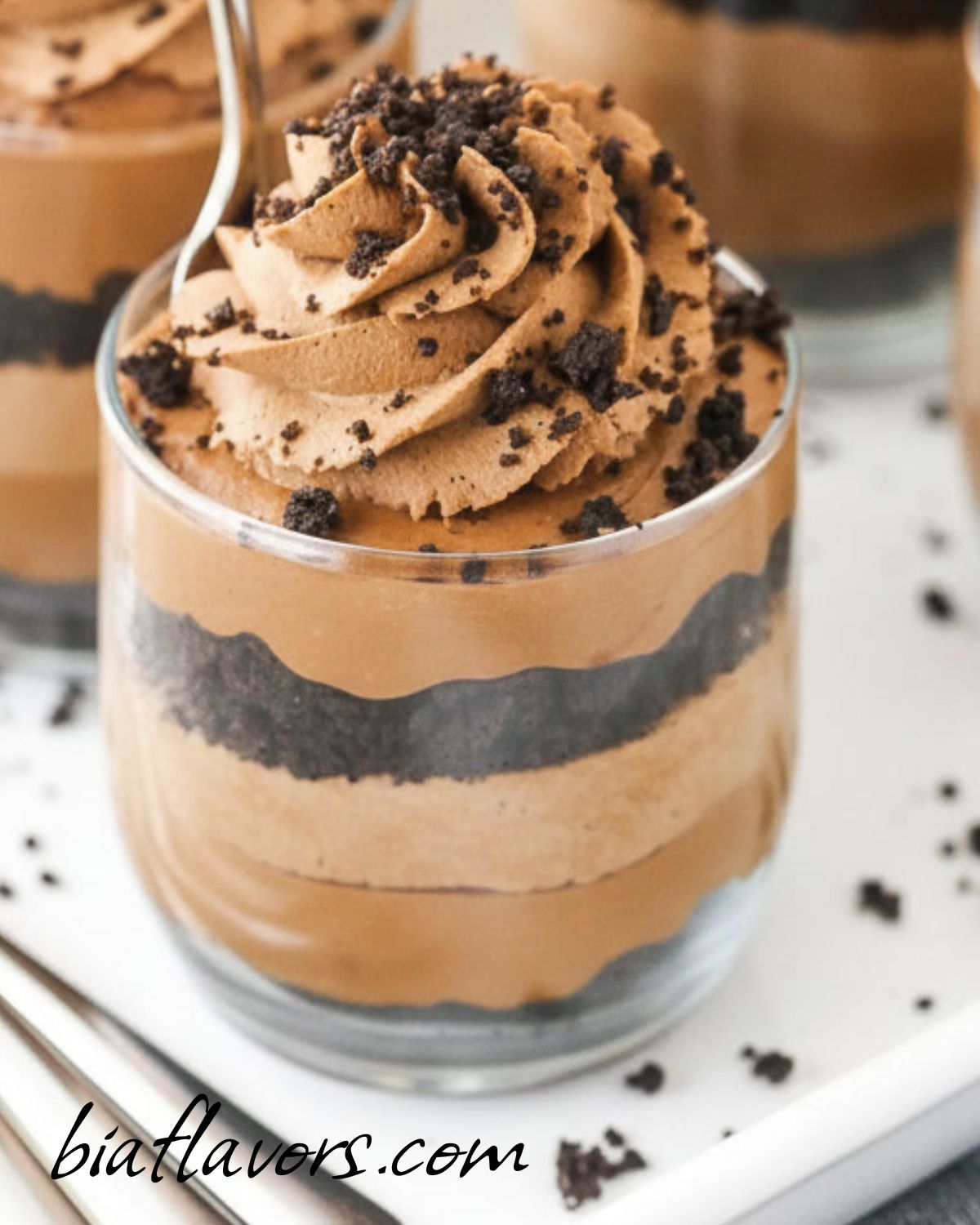
No-bake Baileys chocolate trifles in mini cups with rich creamy layers
Desserts

Mini Baileys Chocolate Cheesecake Trifles

These mini Baileys chocolate cheesecake trifles are rich, creamy, and layered with deep chocolate flavor and smooth cheesecake filling in every spoonful. The hint of Baileys adds a warm, indulgent twist that makes these dessert cups feel extra special and perfect for celebrations. I tested this recipe a few times to get the layers just right because trifles can sometimes turn too heavy or overly sweet. After adjusting the balance of chocolate, cream, and Baileys, the result came out perfectly smooth, light, and well-balanced with distinct, beautiful layers. It’s a simple, no-bake style dessert that comes together easily and looks elegant when served in individual cups, making it perfect for parties, gatherings, or whenever you want a fancy homemade treat. Why You’ll Love These Mini Baileys Chocolate Cheesecake Trifles These mini trifles are rich, creamy, and perfectly layered with chocolate cake, smooth cheesecake filling, and a hint of Baileys in every bite. The texture is light yet indulgent, with soft cake layers and a silky cream that melts in your mouth. They’re also very easy to make and don’t require complicated steps, making them great for beginners. Since they’re served in individual cups, they look elegant and are perfect for parties, gatherings, or special occasions where you want a dessert that feels both fancy and effortless. Ingredients You’ll Need for Mini Baileys Chocolate Cheesecake Trifles Oreo Crumbles Baileys Chocolate Cheesecake Filling Whipped Cream How to Make Mini Baileys Chocolate Cheesecake Trifles Prepare the Oreo Crumbles Preheat your oven to 350°F (175°C) and line a baking tray with parchment paper. In a bowl, mix the crushed Oreos and melted butter until evenly combined. Spread the mixture onto the tray in an even layer and bake for 8–10 minutes. This step helps enhance the flavor and gives a slightly crisp texture. Let it cool completely, then break apart any large chunks into smaller crumbles. Make the Cheesecake Filling In a large mixing bowl, beat the cream cheese and sugar until smooth and creamy with no lumps. Add the cocoa powder and mix until fully combined. Then add the Baileys, vanilla extract, and a pinch of salt, mixing until the filling becomes smooth, rich, and silky. Set aside. Make the Whipped Cream In another bowl, add the heavy whipping cream, Baileys, cocoa powder, powdered sugar, and vanilla extract. Whip on high speed until stiff peaks form. The cream should be light, fluffy, and hold its shape when piped or spooned. Assemble the Trifles Start by dividing half of the Oreo crumbs evenly into serving cups or jars, pressing them lightly into the bottom to create the first layer. Add a layer of the cheesecake filling, spreading it evenly over the crumbs. Then add a layer of whipped cream on top. Repeat the layers by adding the remaining Oreo crumbs, followed by the rest of the cheesecake filling. Finish with a swirl of whipped cream on top and sprinkle extra Oreo crumbs if desired for a decorative touch. Chill and Serve Refrigerate the trifles for at least 1–2 hours before serving. This helps the layers set and allows the flavors to blend beautifully. Serve chilled for a rich, creamy, and perfectly balanced dessert. Expert Tips for Perfect Mini Baileys Chocolate Cheesecake Trifles Use room temperature cream cheese Softened cream cheese blends smoothly and prevents lumps in the filling. If it’s too cold, the mixture won’t become creamy and silky. Don’t skip baking the Oreo crumbs Baking the crumbs for a few minutes enhances their flavor and gives a slight crunch, which adds a nice texture contrast to the creamy layers. Whip cream to stiff peaks Make sure the whipped cream holds its shape well. If it’s under-whipped, the layers may look soft and not hold properly in the cups. Balance the Baileys flavor Baileys adds richness, but too much can overpower the dessert. Stick to the measured amount for a smooth, balanced flavor. Layer neatly for presentation Use a piping bag or spoon carefully to create clean, even layers. This makes the trifles look more professional and visually appealing. Chill before serving Refrigerating the trifles helps the layers set properly and improves the overall taste. The flavors blend together better after chilling. Personal tip When I first made these, I added a little extra Oreo crumb on top right before serving and it made such a difference in texture and presentation. It gives that final bakery-style touch that looks and tastes amazing. Common Mistakes to Avoid Using cold cream cheese Cold cream cheese doesn’t mix smoothly and can leave lumps in the filling. Always let it come to room temperature for a creamy, smooth texture. Skipping the chilling step If you don’t chill the trifles, the layers may feel too soft and not hold their shape well. Chilling helps everything set and improves the flavor. Overmixing the whipped cream Whipping too long can turn the cream grainy or buttery. Stop as soon as stiff peaks form for a smooth and fluffy texture. Adding too much Baileys While Baileys adds great flavor, using too much can make the filling too soft and overpowering. Stick to the measured amount for balance. Making layers uneven Uneven layers can make the trifles look messy and less appealing. Try to divide each layer evenly between cups for a clean, bakery-style look. Letting Oreo crumbs sit too long Oreo crumbs can lose their crunch if stored for too long after assembling. For the best texture, enjoy the trifles within a couple of days. Not breaking crumb clumps If large chunks of baked crumbs are left, the texture can feel uneven. Always break them into smaller pieces after baking for better layering. Storage Tips In the Refrigerator Store the trifles in the fridge, covered tightly with lids or plastic wrap, for up to 2–3 days. This keeps the cheesecake filling fresh and the whipped cream stable. Keep them covered Always cover the cups or jars well to prevent them from absorbing fridge odors and to maintain their creamy texture. Best

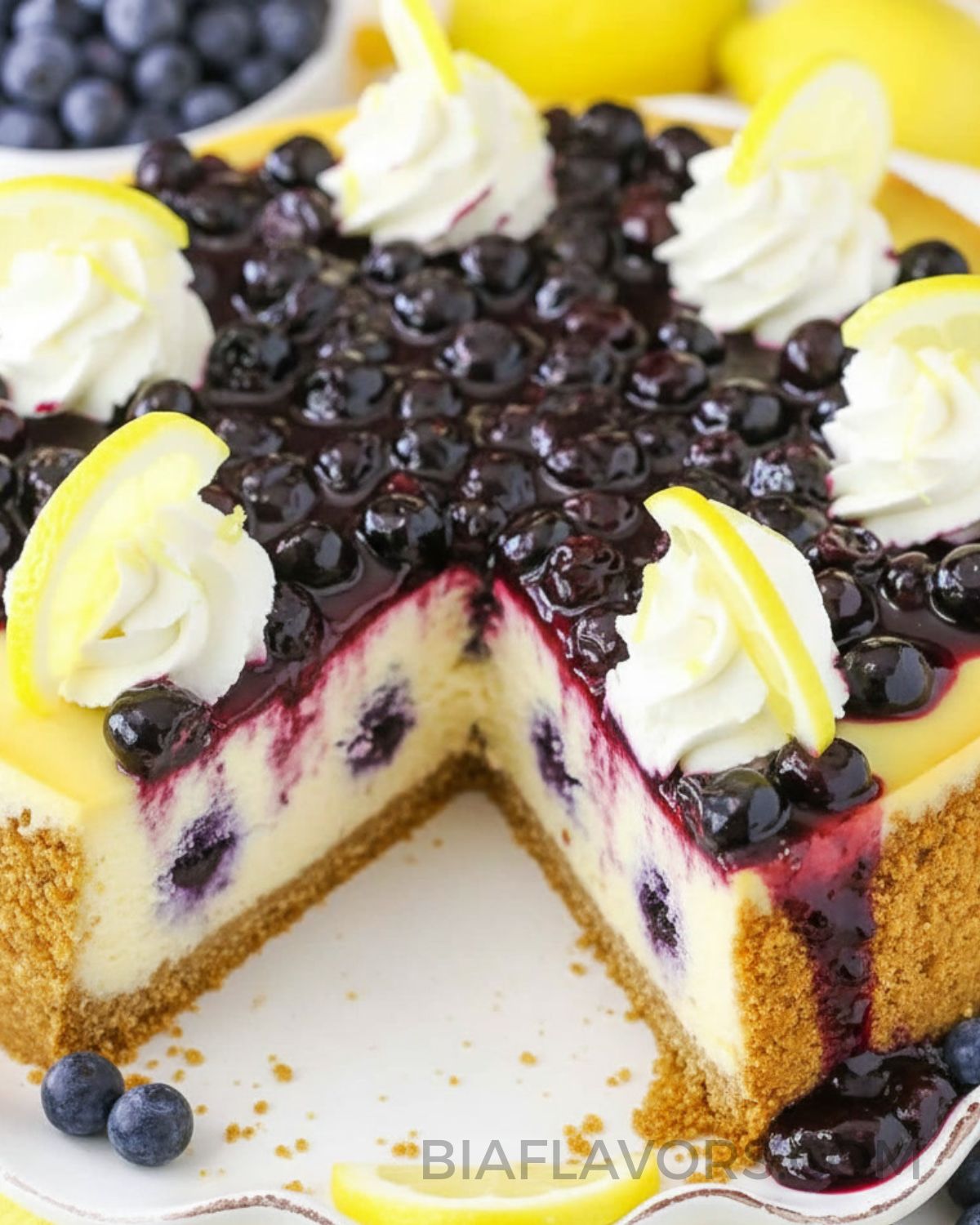
Homemade lemon blueberry cheesecake with vibrant fruit glaze
Cheesecakes

Lemon Blueberry Cheesecake

This lemon blueberry cheesecake is creamy, rich, and perfectly smooth with a bright lemon flavor that feels fresh in every bite. The sweet blueberry topping adds a juicy, slightly tangy layer that balances the richness of the cheesecake beautifully. I tested this recipe a few times to get the texture just right because cheesecakes can easily crack or turn dense. After adjusting the baking method and cooling time, it came out perfectly creamy with a soft, silky center and a stable, crack-free top. It’s a simple yet elegant dessert that uses basic ingredients and gives you a bakery-style cheesecake at home, perfect for summer gatherings, celebrations, or any time you want a refreshing sweet treat. Why You’ll Love This Lemon Blueberry Cheesecake This cheesecake is creamy, smooth, and perfectly balanced with a bright lemon flavor and sweet blueberry topping. The tangy citrus cuts through the richness of the cheesecake, making every bite light, refreshing, and not overly heavy. It’s also a bakery-style dessert that looks impressive but is simple enough to make at home. Whether you’re serving it for a special occasion, summer gathering, or weekend treat, it always feels elegant, fresh, and crowd-pleasing. Ingredients You’ll Need for Lemon Blueberry Cheesecake Crust Lemon Blueberry Cheesecake Filling Blueberry Topping Whipped Cream How to Make Lemon Blueberry Cheesecake Prepare the Crust Preheat your oven to 325°F (163°C) and line a 9-inch springform pan with parchment paper. In a bowl, mix the graham cracker crumbs, melted butter, and sugar until the texture looks like wet sand. Press the mixture firmly into the bottom and slightly up the sides of the pan to form an even crust. Bake for 10 minutes, then set aside to cool. Wrap the outside of the pan with foil to prepare for a water bath. Make the Cheesecake Filling Reduce oven temperature to 300°F (148°C). In a large bowl, beat the cream cheese, sugar, and flour on low speed until smooth and creamy. Keep the speed low to avoid adding too much air, which can cause cracks. Add the sour cream, lemon juice, and lemon zest, and mix until fully combined. Add the eggs one at a time, mixing slowly after each addition, then add the egg yolks and mix until smooth. Gently fold in the blueberries so they are evenly distributed throughout the batter. Bake the Cheesecake Pour the batter over the prepared crust. Place the springform pan into a larger pan and fill the outer pan with warm water halfway up the sides (this is the water bath). Bake for 1 hour 15 minutes, or until the center is set but still slightly jiggly. Turn off the oven and let the cheesecake sit inside for 30 minutes, then crack the oven door and let it cool for another 30 minutes. This slow cooling helps prevent cracks. Remove from the oven and refrigerate until completely chilled. Make the Blueberry Topping In a saucepan, combine sugar, cornstarch, and water over medium heat until dissolved. Add the blueberries and cook until they soften and release juice. Continue cooking until the mixture slightly thickens. Remove from heat and let it cool completely in the fridge. Make the Whipped Cream In a chilled bowl, whip the heavy cream, powdered sugar, and vanilla extract on high speed until stiff peaks form. This creates a light and fluffy topping that holds its shape. Assemble and Serve Remove the chilled cheesecake from the pan and place it on a serving plate. Pipe whipped cream around the edges, spoon the cooled blueberry topping in the center, and decorate with lemon slices if desired. Slice and serve chilled for the best creamy, refreshing flavor. Expert Tips for Perfect Lemon Blueberry Cheesecake Use room temperature ingredients Make sure your cream cheese, eggs, and sour cream are at room temperature before mixing. This helps everything blend smoothly and prevents lumps in the batter, giving you a silky, creamy cheesecake texture. Don’t overmix the batter Mix on low speed and only until ingredients are combined. Overmixing adds too much air, which can cause the cheesecake to rise and then crack while baking. Always use a water bath The water bath creates gentle, even heat in the oven. This helps the cheesecake bake slowly, stay creamy, and prevents cracks on the surface. Cool slowly to avoid cracks After baking, let the cheesecake cool gradually in the oven with the door slightly open. Rapid temperature changes can cause cracking, so patience is key for a smooth top. Chill overnight for best results Although it can be served after a few hours, chilling the cheesecake overnight gives it the best texture and allows the lemon and blueberry flavors to fully develop. Don’t skip the lemon zest Lemon juice adds tang, but lemon zest gives strong fresh citrus aroma and flavor. Using both makes the cheesecake taste bright and refreshing. Cook blueberry topping until slightly thick Don’t overcook it into jam. The topping should be slightly thick but still glossy so it sits beautifully on top of the cheesecake. Common Mistakes to Avoid Using cold ingredients Cold cream cheese or eggs can cause a lumpy batter that doesn’t mix smoothly. Always bring ingredients to room temperature so the cheesecake turns out creamy and silky. Overmixing the batter Mixing too fast or too long adds excess air into the batter, which can lead to cracks and a dense texture. Always mix on low speed just until combined. Skipping the water bath Without a water bath, the cheesecake can bake unevenly and develop cracks on top. The steam from the water bath keeps the texture soft and smooth. Opening the oven too early Opening the oven during baking can cause sudden temperature changes, which may lead to sinking or cracking. Only open it when the baking time is almost complete. Overbaking the cheesecake If the center becomes too firm, the cheesecake will lose its creamy texture. It should still have a slight jiggle in the middle when you remove it from the oven. Not cooling

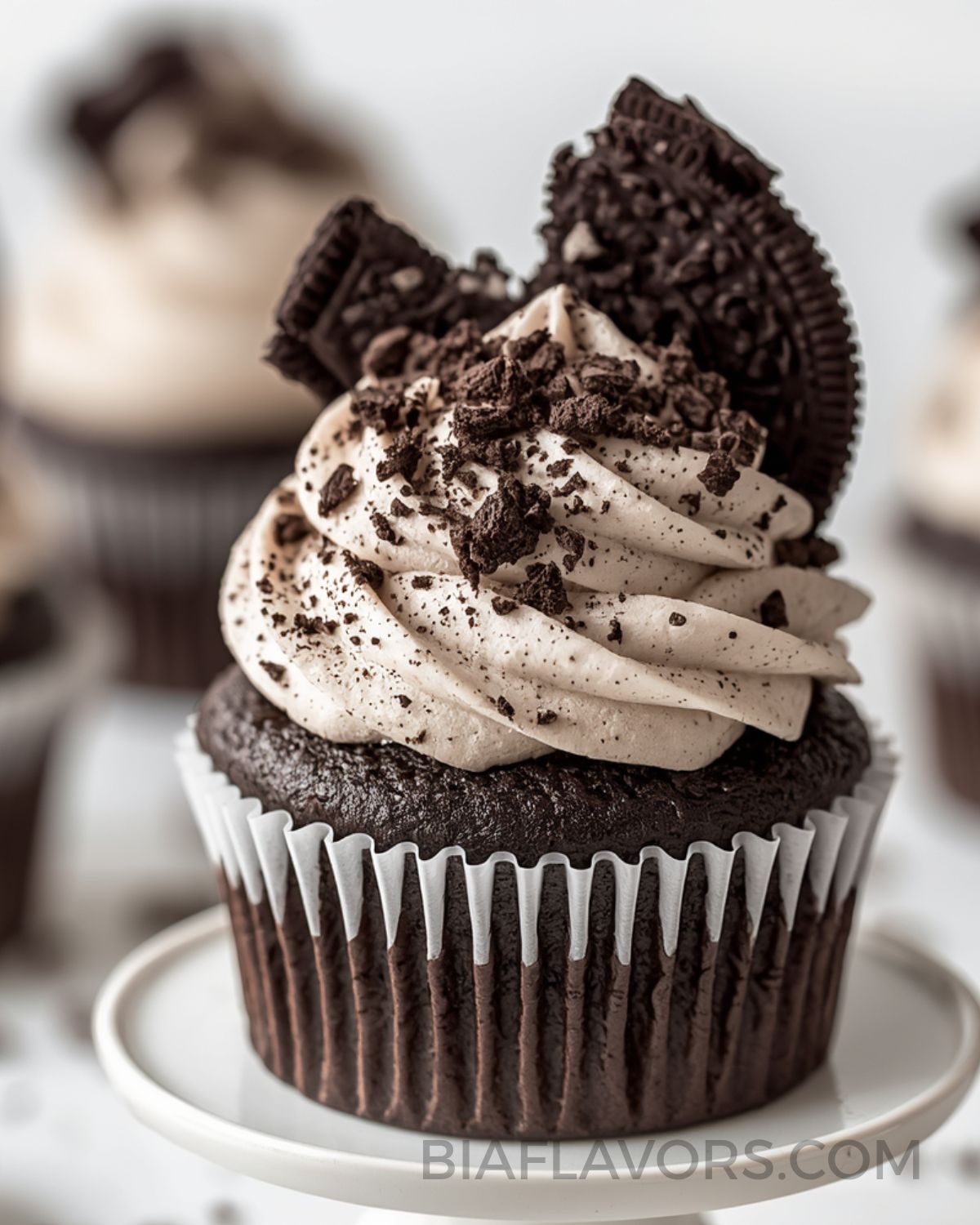
Oreo cupcakes topped with creamy cookies and cream frosting and crushed Oreo biscuits
Cupcake

Oreo Cupcakes

These Oreo cupcakes are soft, moist, and full of cookies-and-cream flavor in every bite. Made with crushed Oreo cookies baked right into a fluffy vanilla base, they have the perfect balance of sweetness, creaminess, and chocolate cookie crunch. I tested this recipe a few times to get the texture just right because cupcakes can sometimes turn dry or the Oreo flavor can get lost in the batter. After a few adjustments, the result came out perfectly soft, with a light crumb and rich Oreo flavor that stays noticeable in every bite. It’s a simple, beginner-friendly recipe that uses basic ingredients and comes together quickly, giving you bakery-style Oreo cupcakes that are perfect for birthdays, parties, or anytime dessert cravings. Why You’ll Love These Oreo Cupcakes These Oreo cupcakes are soft, fluffy, and packed with cookies-and-cream flavor in every bite. The crushed Oreos baked into the batter give a rich chocolate crunch, while the light, moist cupcake base keeps them perfectly balanced and not overly sweet. They’re also very easy to make with simple pantry ingredients, making them perfect for beginners. Whether you’re baking for birthdays, parties, or just a sweet craving at home, these cupcakes always turn out bakery-style and crowd-pleasing. Ingredients You’ll Need for Oreo Cupcakes Chocolate Cupcakes Oreo Buttercream How to Make Oreo Cupcakes Prepare the Oven and Pan Preheat your oven to 300°F (150°C) and line a cupcake tray with paper liners. This step ensures the oven reaches the right temperature before baking, which helps the cupcakes rise evenly and bake with a soft, tender texture. Using liners also makes it easier to remove the cupcakes without breaking them. Mix Dry Ingredients In a large mixing bowl, whisk together the flour, sugar, cocoa powder, baking soda, and salt until everything is evenly combined. This helps distribute the cocoa and leavening agents properly so the cupcakes bake with a consistent chocolate flavor and a light, fluffy structure. Mix Wet Ingredients In a separate bowl, whisk the egg, milk, vegetable oil, and vanilla extract until smooth and fully blended. This mixture should look creamy and well combined, as it forms the moist base that keeps the cupcakes soft and rich after baking. Combine Batter Pour the wet ingredients into the dry ingredients and mix just until no dry flour remains. Then slowly add the hot water and mix again until smooth. The batter will be thin, but that’s exactly what gives these cupcakes their soft and moist texture, so don’t worry if it looks runny. Bake the Cupcakes Fill each cupcake liner about halfway with batter to allow room for rising. Bake for 18–23 minutes, or until a toothpick inserted in the center comes out with a few moist crumbs. Be careful not to overbake, as this can make the cupcakes dry instead of soft. Cool the Cupcakes Let the cupcakes rest in the pan for about 2 minutes, then transfer them to a wire rack to cool completely. This step is important because adding frosting to warm cupcakes can cause it to melt and lose its shape. Make the Oreo Buttercream Beat the butter until smooth and fluffy, then add half of the powdered sugar and mix until creamy. Add the vanilla extract and heavy cream, then continue beating until smooth. Mix in the Oreo crumbs, followed by the remaining powdered sugar, and adjust the texture with more cream if needed until it becomes light and pipeable. Decorate and Serve Once the cupcakes are fully cooled, pipe the Oreo buttercream on top using a piping bag for a bakery-style finish. Place a whole Oreo cookie on each cupcake for decoration and extra crunch. Serve and enjoy these rich, soft, cookies-and-cream cupcakes. Expert Tips for Perfect Oreo Cupcakes Don’t overmix the batter Once you combine the wet and dry ingredients, mix only until everything comes together. Overmixing can make the cupcakes dense instead of soft and fluffy. A gentle mix keeps the texture light and tender. Hot water is important Adding hot water helps bloom the cocoa powder, which enhances the chocolate flavor and gives the cupcakes a deeper, richer taste. Don’t skip this step—it makes a noticeable difference. Fill liners only halfway It might be tempting to add more batter, but filling only halfway ensures the cupcakes rise evenly without spilling over. This also gives a nice flat top for frosting. Don’t overbake Oreo cupcakes bake quickly, and even a few extra minutes can dry them out. Remove them as soon as a toothpick comes out with a few moist crumbs for the best soft texture. Cool completely before frosting If the cupcakes are even slightly warm, the Oreo buttercream will melt and lose its shape. Always wait until they are fully cooled for clean, bakery-style frosting. Crush Oreos finely for buttercream For a smooth frosting texture, make sure Oreo crumbs are finely crushed. Large chunks can make piping difficult and uneven. Add extra Oreos for presentation Placing a whole Oreo on top of each cupcake not only makes them look beautiful but also adds a nice crunchy bite that contrasts with the soft cupcake and creamy frosting. Common Mistakes to Avoid Using cold ingredients If your egg, milk, or butter is too cold, the batter won’t mix smoothly and can affect the texture. Always use room temperature ingredients for soft and fluffy cupcakes. Overmixing the batter Mixing too much after combining wet and dry ingredients can develop gluten and make the cupcakes dense instead of light and tender. Mix just until everything is combined. Skipping the hot water step Hot water is important because it enhances the cocoa flavor and creates a smooth batter. Without it, the cupcakes may taste less rich and slightly dry. Overfilling cupcake liners Adding too much batter can cause the cupcakes to overflow and bake unevenly. Always fill liners about halfway for perfect rise and shape. Overbaking the cupcakes Leaving them in the oven too long can dry them out. Always check early and remove when a toothpick comes out with

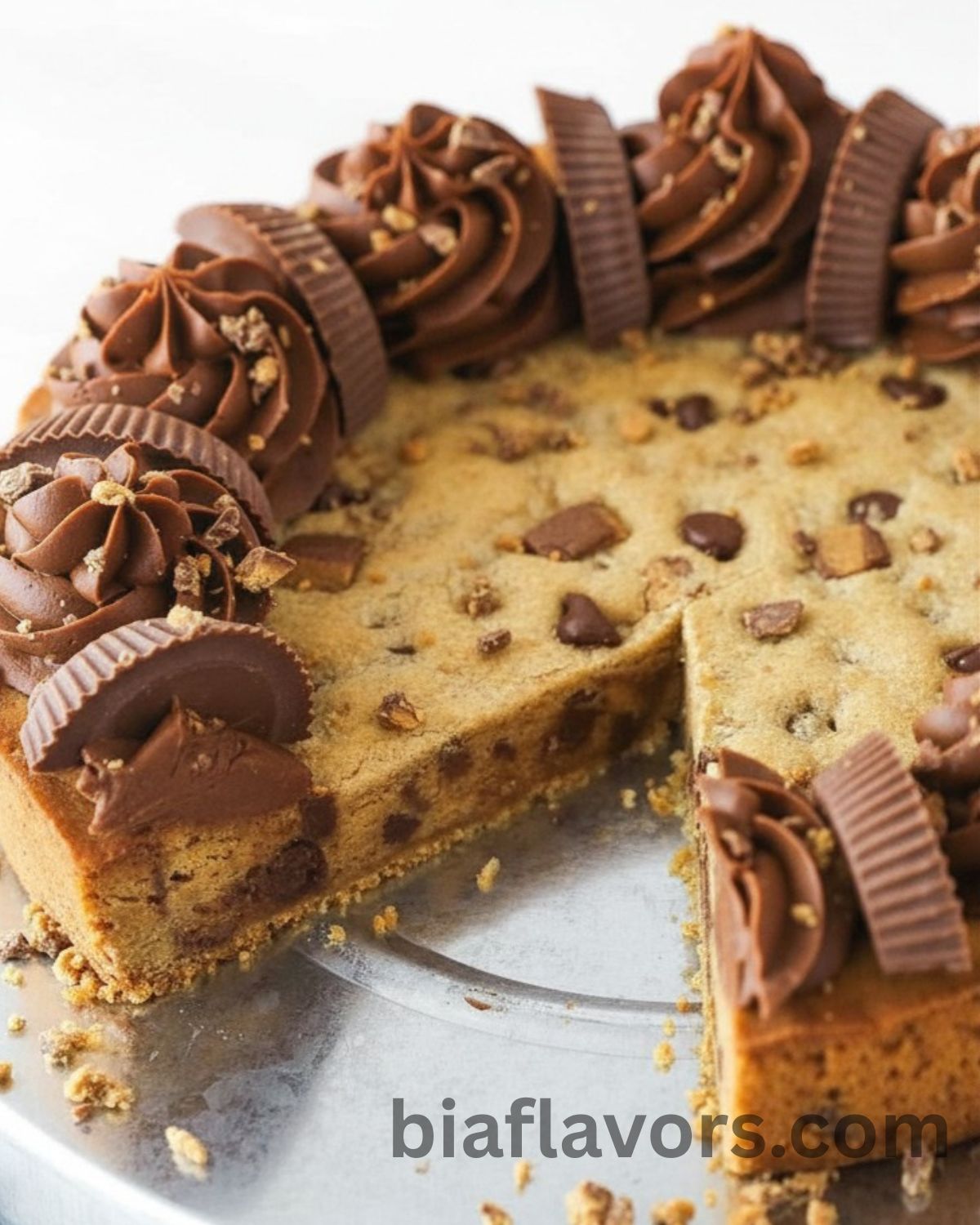
Reese’s Peanut Butter Cookie Cake
Cake

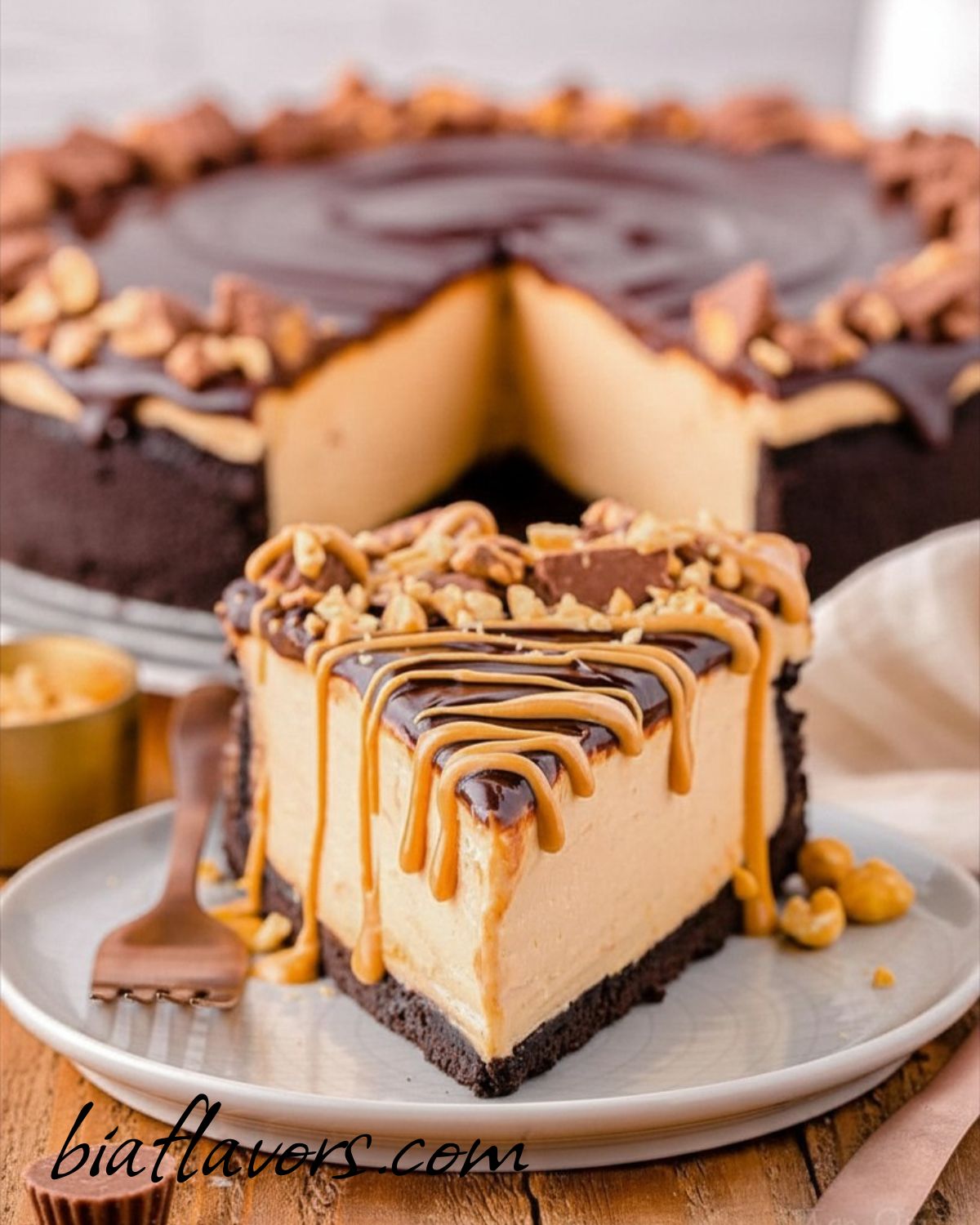
Reese’s Peanut Butter Cookie Cake

This Reese’s peanut butter cookie cake is soft, chewy, and packed with rich peanut butter flavor in every bite. Loaded with chunks of Reese’s peanut butter cups and chocolate, it has the perfect balance of sweet, salty, and buttery cookie goodness baked into one thick, gooey dessert. I tested this recipe a few times to get the texture just right because cookie cakes can easily turn dry or too dense. After adjusting the butter and baking time, it came out perfectly soft in the center with slightly crisp edges and melty chocolate pieces throughout. It’s an easy, one-pan dessert that comes together with simple ingredients and no complicated steps, giving you a bakery-style cookie cake that’s perfect for birthdays, parties, or anytime cravings. Why You’ll Love This Reese’s Peanut Butter Cookie Cake This cookie cake is soft, chewy, and full of rich peanut butter flavor with melted chocolate and Reese’s chunks in every bite. The texture is perfectly balanced slightly crisp on the edges and soft and gooey in the center, just like a bakery-style cookie cake. It’s also incredibly easy to make in just one pan with simple ingredients, making it perfect for beginners. Whether you’re celebrating a birthday, hosting a party, or just craving something sweet, this cookie cake always feels fun, comforting, and crowd-pleasing. Ingredients You’ll Need for Reese’s Peanut Butter Cookie Cake Cookie Cake Buttercream How to Make Reese’s Peanut Butter Cookie Cake Preheat and Prepare the Pan Preheat your oven to 350°F (180°C) so it reaches the right temperature before baking. Line a 9-inch cake pan with parchment paper and lightly grease the sides. This helps the cookie cake come out easily and keeps the edges smooth without breaking. Mix the Dry Ingredients In a medium bowl, whisk together the flour, baking soda, and salt until well combined. This step ensures the leavening is evenly distributed, which helps the cookie cake bake uniformly and gives a consistent soft texture. Cream Butter, Peanut Butter & Sugars In a large bowl, beat the butter, peanut butter, granulated sugar, and brown sugar together until the mixture becomes light, fluffy, and creamy. This step is very important because proper creaming adds air to the dough and gives the cookie cake its soft, bakery-style texture. Add Egg and Vanilla Add the egg and vanilla extract to the creamed mixture and mix until fully combined. The batter should look smooth and slightly glossy, which helps build flavor and structure in the cookie cake. Combine Wet and Dry Ingredients Slowly add the dry ingredients into the wet mixture and mix just until a soft dough forms. Be careful not to overmix, as this can make the cookie cake dense and less tender. Stop as soon as no dry flour is visible. Fold in Chocolate and Reese’s Gently fold in the chopped Reese’s peanut butter cups and chocolate chips, making sure they are evenly distributed. This ensures every slice is loaded with gooey chocolate and peanut butter flavor. Press and Bake Press the dough evenly into the prepared pan and smooth the top with a spatula. You can also press a few extra chocolate chips or Reese’s pieces on top for a more bakery-style look. Bake for 18–22 minutes, or until the edges are lightly golden and the center looks just set. Cool the Cookie Cake Allow the cookie cake to cool completely in the pan before removing it. This helps it set properly and prevents it from falling apart when sliced or transferred. Make the Buttercream Beat the butter until smooth and creamy, then add the powdered sugar, cocoa powder, vanilla extract, and heavy cream. Mix until the frosting becomes light, fluffy, and pipeable. Adjust the cream slightly if needed for a softer texture. Decorate and Serve Pipe the buttercream around the edges of the cooled cookie cake and decorate with halved Reese’s peanut butter cups between each swirl. Slice and serve at room temperature for the best soft, chewy, and rich flavor. Expert Tips for the Perfect Reese’s Peanut Butter Cookie Cake Don’t overmix the dough Once you add the dry ingredients, mix only until everything comes together. Overmixing can make the cookie cake dense instead of soft and chewy. A gentle mix keeps the texture light and bakery-style. Cream butter and sugars properly Take your time when beating the butter, peanut butter, and sugars together. This step should look light and fluffy. Proper creaming adds air to the dough, which helps the cookie cake bake soft in the center. Slightly underbake for a soft center The cookie cake should look just set in the middle when you remove it from the oven. It will continue to cook slightly as it cools. This helps you get that perfect gooey, chewy texture. Add toppings while dough is soft If you want a bakery-style look, press extra Reese’s pieces or chocolate chips on top right before baking. They melt slightly into the surface and make the cake look more indulgent. Let it cool completely before frosting Frosting a warm cookie cake can cause the buttercream to melt and slide off. Always wait until it is fully cooled for clean piping and neat decoration. Chill before slicing for clean cuts If you want sharp, bakery-style slices, chill the cookie cake for about 15–20 minutes before cutting. It firms up slightly and makes slicing much easier. Serve at room temperature This cookie cake tastes best when served slightly warm or at room temperature. The chocolate chips stay soft, and the peanut butter flavor becomes richer and more noticeable. Common Mistakes to Avoid Using cold ingredients If your butter or peanut butter is too cold, it won’t cream properly with the sugars. This can lead to a dense cookie cake instead of a soft and fluffy texture. Always use room temperature ingredients for the best results. Overmixing the dough Mixing too much after adding the flour can develop excess gluten, which makes the cookie cake tough. Stop mixing as soon as the dough comes together

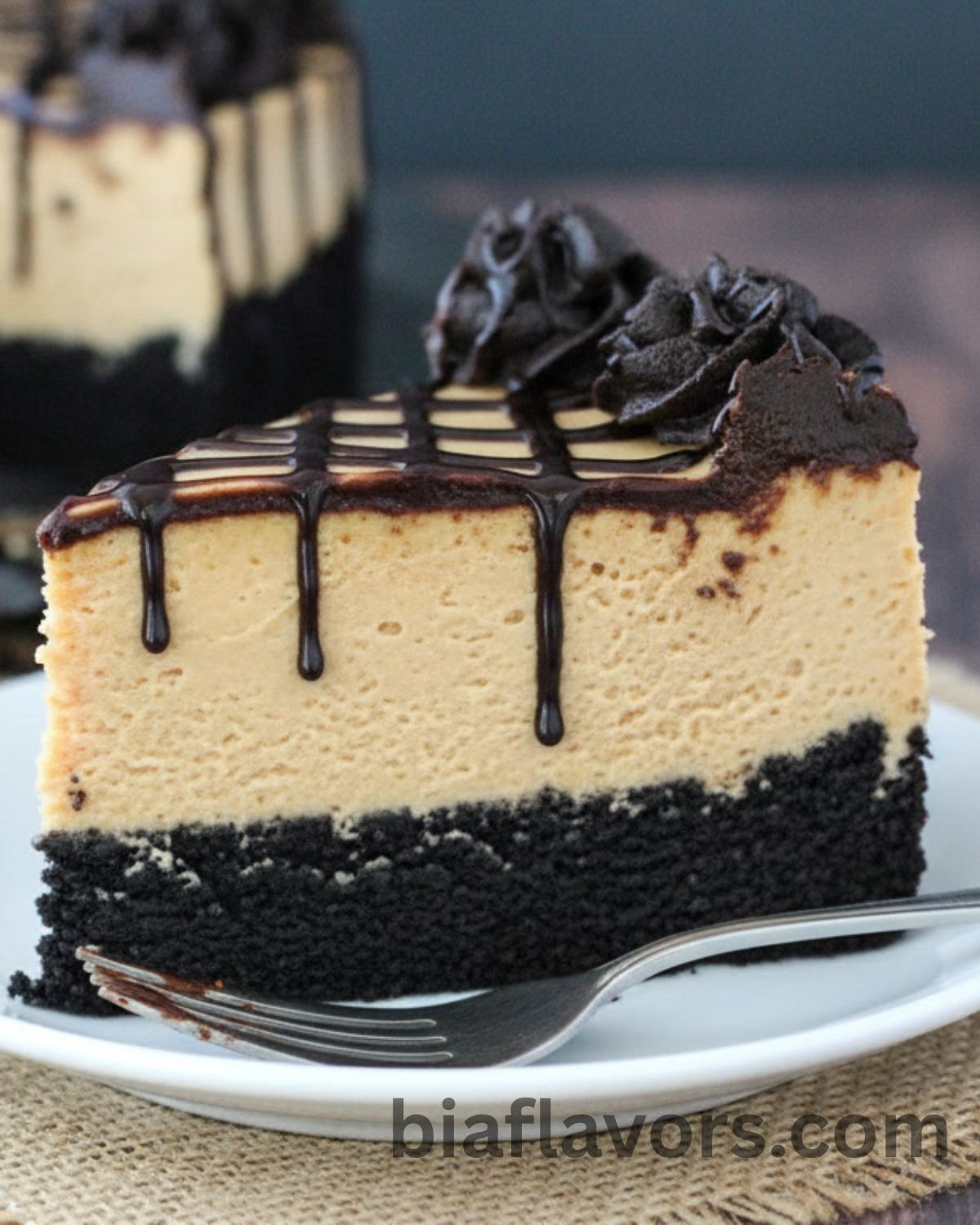
Peanut Butter Truffle Chocolate Cake
Cake

Peanut Butter Truffle Chocolate Cake

This peanut butter truffle chocolate cake is rich, moist, and deeply chocolatey with layers of smooth peanut butter filling and a silky chocolate ganache. Every bite is soft, creamy, and perfectly balanced between sweet chocolate and nutty peanut butter, making it an indulgent treat for any occasion. I tested this recipe a few times to get the texture just right because sometimes chocolate cakes can turn dry or the filling can feel too heavy. After a few small adjustments, the result came out perfectly moist with a light, fluffy crumb and a creamy filling that holds its shape without being too thick. It’s a simple, beginner-friendly layer cake that uses basic ingredients and easy steps, yet gives you a bakery-style dessert that looks impressive and tastes even better. Why You’ll Love This Peanut Butter Truffle Chocolate Cake This cake is incredibly rich, moist, and full of deep chocolate flavor, perfectly paired with a smooth and creamy peanut butter filling. The combination creates a balanced taste that’s not overly sweet but still feels indulgent and satisfying in every bite. It’s also easier to make than it looks, with simple steps and basic ingredients that come together into a stunning layer cake. Whether you’re making it for birthdays, special occasions, or just to treat yourself, it always feels like a bakery-style dessert made right at home. Ingredients You’ll Need for Peanut Butter Truffle Chocolate Cake For the Chocolate Cake For the Peanut Butter Truffle Layer For the Chocolate Icing How to Make Peanut Butter Truffle Chocolate Cake Prepare and Bake the Cake Preheat your oven to 300°F (150°C) and prepare a 9-inch cake pan by lining the bottom with parchment paper and lightly greasing the sides. In a large bowl, whisk together the flour, sugar, cocoa powder, baking soda, and salt until evenly combined. Add the egg, buttermilk, and vegetable oil to the dry ingredients and mix until smooth. In a separate cup, combine the vanilla extract with boiling water, then carefully add it to the batter and mix well until fully combined. The batter will be thin, which is normal. Pour the batter into the prepared pan and bake for 33–35 minutes, or until a toothpick inserted in the center comes out with a few moist crumbs. Let the cake cool in the pan for about 10 minutes, then transfer it to a wire rack to cool completely. Make the Peanut Butter Truffle Layer Place the peanut butter chips in a mixing bowl. Heat the heavy cream in the microwave until it just begins to boil, then pour it over the peanut butter chips. Cover the bowl and let it sit for 5–7 minutes so the chips can melt. Whisk the mixture until smooth and creamy, then cover and refrigerate for 45 minutes to 1 hour, or until it thickens but is still easy to stir. Once slightly thickened, add the mascarpone cheese and mix until smooth and fully combined. Assemble the Cake Once the cake is completely cool, use a serrated knife to gently trim off the domed top so you have a flat surface. Place the cake into a 9-inch springform pan and line the sides with parchment paper, allowing it to extend above the top of the pan. Pour the peanut butter truffle mixture over the cake and spread it evenly. It may rise above the cake layer, which is fine as long as the parchment paper is high enough. Place the cake in the refrigerator and chill for 3–4 hours, or until the truffle layer is fully set and firm. Make the Chocolate Icing In a bowl, beat together the butter and shortening until smooth and creamy. Add the powdered sugar, cocoa powder, and 1 teaspoon of water, then mix until smooth. Add more water, a little at a time, until the icing reaches a soft, pipeable consistency. Decorate and Serve Remove the cake from the springform pan and carefully peel away the parchment paper. Pipe the chocolate icing around the edges of the cake and drizzle with chocolate sauce if desired for a decorative finish. Refrigerate until ready to serve. Before serving, let the cake sit at room temperature for 15–20 minutes so the truffle layer softens slightly for the best texture and flavor. Expert Tips for the Perfect Peanut Butter Truffle Chocolate Cake Use Good Quality Cocoa Powder Since chocolate is the main flavor, using a rich, high-quality cocoa powder makes a big difference. It gives the cake a deeper, more intense chocolate taste instead of a mild one. Don’t Overmix the Batter Once you combine the wet and dry ingredients, mix just until everything is smooth. Overmixing can make the cake dense instead of soft and tender. The batter will be thin, and that’s completely normal. Heat the Cream Properly for the Truffle Make sure the cream is hot enough when poured over the peanut butter chips so they melt smoothly. If it’s not hot enough, the mixture may turn lumpy. Letting it sit covered for a few minutes helps everything melt evenly. Chill the Truffle Layer Until Just Right When refrigerating the peanut butter mixture before assembling, it should be thick but still easy to stir. If it becomes too firm, it won’t spread smoothly over the cake. Use a Springform Pan for Easy Assembly Using a springform pan makes it much easier to build and remove the cake without damaging the layers. Lining the sides with parchment paper also helps create clean edges. Be Patient with Chilling Time The truffle layer needs enough time to fully set in the fridge. I’ve tried cutting it early before, and it didn’t hold its shape properly. Giving it a full 3–4 hours makes a huge difference. Let It Sit Before Serving Take the cake out of the fridge about 15–20 minutes before serving. This allows the truffle layer to soften slightly, giving you the perfect creamy texture in every bite. Common Mistakes to Avoid Overbaking the Cake Baking the cake too long can make

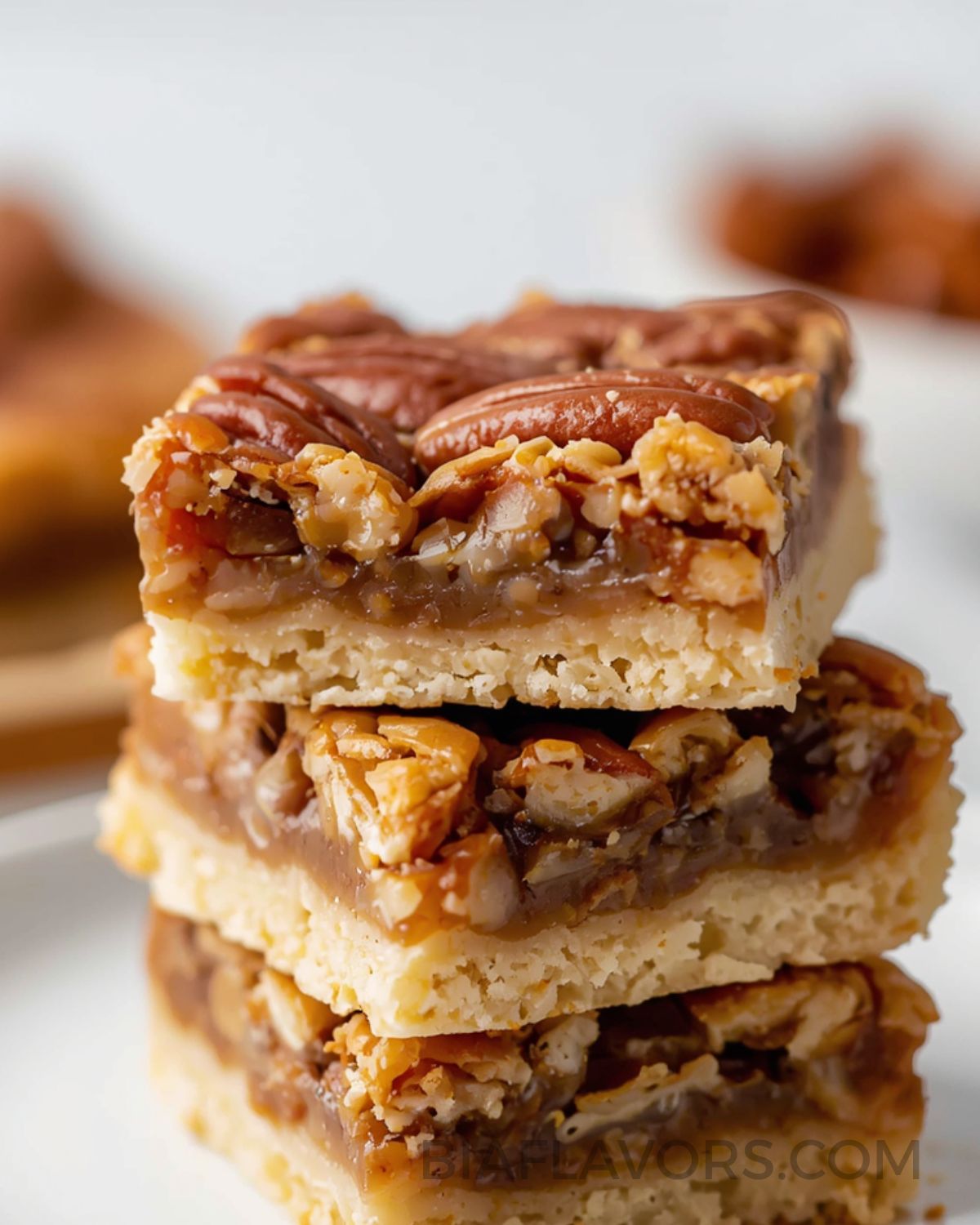
Pecan Pie Bars
Bars & Brownies

Pecan Pie Bars

These pecan pie bars are rich, buttery, and packed with a sweet caramel-like pecan filling that tastes just like classic pecan pie but in an easier, sliceable form. The base is soft and slightly crisp, while the topping is gooey, nutty, and perfectly balanced in sweetness, making every bite incredibly satisfying. I tested this recipe a few times to get the right texture because sometimes the filling can turn too hard or overly sticky. After a small adjustment, the result came out perfectly soft and chewy with a smooth, glossy topping that sets just right every time. It’s a simple, beginner-friendly dessert that uses basic ingredients and comes together without any complicated steps, giving you a bakery-style treat at home. Why You’ll Love These Pecan Pie Bars These pecan pie bars are rich, buttery, and perfectly sweet with a soft, crumbly base and a gooey caramel-like pecan topping. Every bite has a delicious balance of texture slightly crisp on the bottom and smooth, nutty, and chewy on top, just like a classic pecan pie but easier to enjoy. They’re also very simple to make, with no complicated steps or special equipment needed, making them perfect for beginners. Whether you’re serving them for holidays, gatherings, or just as a homemade treat with tea, they always feel comforting, satisfying, and crowd-pleasing. Ingredients You’ll Need for Pecan Pie Bars For the Pecan Shortbread Crust For the Pecan Pie Filling How to Make Pecan Pie Bars Preheat and Prepare Preheat your oven to 350°F (175°C) so it’s fully heated before you begin baking. This step is important because starting with the right temperature helps the crust bake evenly and prevents it from becoming too soft. You can use an ungreased 9×13 inch baking dish, but lining it with parchment paper is a great option if you want to lift the bars out easily and get clean slices later. Make the Crust In a large mixing bowl, combine the flour, sugar, salt, and finely chopped pecans until everything is evenly mixed. Add the room temperature butter and gently mix it into the dry ingredients using your hands, a fork, or a pastry cutter. Keep mixing until the texture looks like soft, wet sand with no large butter pieces remaining. Press this mixture firmly and evenly into the bottom of your baking dish, making sure to slightly press it up the edges as well. A well-pressed crust will hold together better after baking and give a nice base to the bars. Bake the Crust Place the crust in the preheated oven and bake for 18–22 minutes, or until it turns lightly golden brown. This step is very important because it helps set the crust and creates a firm, slightly crisp base that won’t become soggy once the filling is added. Keep an eye on it during the last few minutes to avoid over-browning. Prepare the Filling While the crust is baking, prepare the pecan pie filling. In a mixing bowl, whisk together the brown sugar and salt until well combined. Add the eggs and vanilla extract, and continue whisking until the mixture becomes smooth and slightly creamy. Pour in the corn syrup and maple syrup, mixing until everything is fully blended and glossy. Finally, fold in the chopped pecans, making sure they are evenly coated in the mixture. This ensures every bite has a good balance of filling and crunch. Assemble Once the crust is done baking, remove it from the oven and keep it hot. Carefully pour the prepared pecan filling evenly over the crust, spreading it gently if needed. Pouring the filling over a warm crust helps it settle properly and creates a better texture between the layers. Bake Return the baking dish to the oven and bake for 30–35 minutes. As it bakes, the filling will thicken and set while still staying soft and slightly gooey in the center. To check if it’s done, insert a knife about 1 inch from the edge if it comes out clean, the bars are ready. Avoid overbaking, as this can make the filling too firm instead of soft and chewy. Cool and Chill Remove the bars from the oven and let them cool completely at room temperature. This step allows the filling to fully set and makes slicing easier. For best results, place the cooled bars in the refrigerator for about 30 minutes. Chilling helps firm up the layers and gives you neat, clean cuts. Slice and Serve Once chilled, use a sharp knife to cut the bars into squares or rectangles. Wipe the knife between cuts for cleaner edges. Serve these pecan pie bars at room temperature or slightly chilled for the perfect balance of a buttery crust and rich, nutty filling. Expert Tips for Perfect Pecan Pie Bars Use Room Temperature Butter for the Crust Make sure your butter is soft but not melted when making the crust. This helps it blend smoothly with the flour and creates that perfect shortbread texture. I’ve tested it with cold butter before, and the crust turned out uneven and harder to press, so letting it soften slightly really makes a difference. Don’t Skip Pre-Baking the Crust Always bake the crust before adding the filling. This step helps create a firm, slightly crisp base that holds up under the gooey topping. When I first tried this recipe without fully baking the crust, it turned a bit soft underneath, so now I always wait until it’s lightly golden. Mix the Filling Until Smooth, Not Frothy When whisking the filling, mix until everything is well combined and smooth, but avoid over-whisking. Too much air can create bubbles on top while baking. A gentle, steady mix gives you that classic glossy, smooth pecan pie finish. Use Good Quality Pecans Since pecans are the star of this recipe, their quality really matters. Fresh, flavorful pecans give the best taste and crunch. I like to roughly chop them so you get a mix of small and larger pieces for better texture in

strawberry bread with glaze
Bread

Strawberry Bread with Sweet Glaze

These strawberry bread is soft, moist, and full of fresh strawberry flavor, making it a perfect homemade treat for any time of the day. I’ve tested this recipe a few times in my kitchen to get the right balance of sweetness and texture, so you get a light, fluffy loaf that doesn’t turn dense or soggy. At first, I noticed the strawberries used to sink, but after a small adjustment, the result became perfect every time. It’s a simple, beginner-friendly recipe that comes together with basic ingredients and gives you a bakery-style result at home. Why You’ll Love This Strawberry Bread This strawberry bread is soft, moist, and full of fresh strawberry flavor, making every bite light and delicious. The sweetness is perfectly balanced, so it’s not too heavy and feels just right for a homemade treat. It’s also very easy to make, even if you’re a beginner, and uses simple ingredients you likely already have at home. Whether you enjoy it with tea or share it with family, it always feels comforting and satisfying. Ingredients You’ll Need for Strawberry Bread For the Strawberry Bread For the Strawberry Glaze How to Make Strawberry Bread With Glaze Preheat and Prepare Preheat your oven to 350°F (180°C) so it’s fully heated before baking. This helps the bread rise evenly. Grease a 9×5 inch loaf pan or line it with parchment paper for easy removal and to prevent sticking. Mix Wet Ingredients In a large mixing bowl, add the sugar, milk, oil, egg, and vanilla extract. Whisk everything together until the mixture looks smooth and slightly creamy. Make sure the egg is fully mixed in, as this helps create a soft and even texture. Combine Dry Ingredients In a separate bowl, whisk together the flour, baking powder, and salt until evenly combined. Slowly add the dry ingredients into the wet mixture, stirring gently. Mix just until no dry flour is visible.Avoid overmixing, as this can make the bread dense instead of soft. Prepare the Strawberries Place the diced strawberries in a small bowl and toss them with 2 tablespoons of flour. This step helps absorb extra moisture and prevents the strawberries from sinking to the bottom while baking. Fold in Strawberries Gently fold the coated strawberries into the batter using a spatula. Mix lightly and carefully so the strawberries stay intact and don’t release too much juice into the batter. Bake Pour the batter into your prepared loaf pan and spread it evenly. Place it in the oven and bake for 50–55 minutes.Start checking around the 50-minute mark by inserting a toothpick into the center. If it comes out clean or with a few crumbs, the bread is ready. Cool the Bread Remove the bread from the oven and let it sit in the pan for about 10 minutes. This helps it set and makes it easier to remove. Then transfer it to a wire rack and let it cool completely before adding the glaze. Make the Glaze In a small bowl, mix powdered sugar, melted butter, finely diced strawberries, and vanilla extract. Stir until smooth. If the glaze is too thick, add 1–2 tablespoons of milk or cream to adjust the consistency until it’s easy to spread. Assemble and Serve Once the bread is completely cool, spread the glaze evenly on top. Let it sit for a few minutes so the glaze can set slightly. Slice and serve for a soft, sweet, and fruity treat. Expert Tips For the Perfect Strawberry Bread Use Fresh Strawberries Fresh strawberries are best because they give a stronger natural flavor and better texture in the bread. They also hold their shape better while baking, making every bite juicy and delicious. If you use frozen strawberries, avoid thawing them first, as they release extra water and can make the bread soggy. Don’t Overmix the Batter Once you add the dry ingredients, mix only until everything is just combined. Overmixing develops too much gluten, which can make the bread dense and heavy instead of soft and fluffy. A gentle mix ensures a light and tender texture. Prevent Over-Browning If you notice the top of the bread is browning too quickly in the oven, loosely cover it with aluminum foil. This allows the inside to bake properly while protecting the top from burning and keeps the color even. Check Baking Time Properly Start checking the bread around 50 minutes, as oven temperatures can vary. Insert a toothpick in the center if it comes out clean or with a few crumbs, the bread is ready. Avoid overbaking to keep it moist and soft. Common Mistakes to Avoid Overmixing the Batter Overmixing is one of the biggest mistakes in this recipe. When you mix too much after adding the flour, the bread can turn dense and heavy instead of soft and fluffy. Always mix just until the ingredients are combined. Not Coating Strawberries with Flour Skipping the step of tossing strawberries in flour can cause them to sink to the bottom of the loaf. This also leads to uneven texture. The light flour coating helps keep them evenly spread throughout the bread. Overbaking the Bread Baking for too long can dry out the bread and make it less soft. Always start checking around the recommended time and use a toothpick test to avoid overbaking. Using Too Juicy or Large Strawberry Pieces Very juicy or oversized strawberry chunks can release extra moisture while baking. This may make the bread soggy in some parts. Try to cut strawberries into small, even pieces. Adding Glaze on Warm Bread Applying glaze before the bread has fully cooled will cause it to melt and slide off. Always wait until the bread is completely cool for a smooth and beautiful finish. Storage Tips At Room Temperature You can store strawberry bread at room temperature for up to 1 day if it is tightly wrapped or kept in an airtight container. Make sure it is fully cooled before storing to avoid moisture buildup. In the Refrigerator For

Homemade peach cobbler muffins served warm with a crispy streusel topping
Muffins

 Peach Cobbler Muffins

If you love warm, cozy desserts that feel homemade and comforting, these Peach Cobbler Muffins are going to be your new favorite. They taste just like classic peach cobbler, but in soft, fluffy muffin form that’s perfect for breakfast, snacking, or a sweet treat with tea or coffee. Each bite is packed with juicy peaches and a tender, bakery-style texture that melts in your mouth. They’re simple to make with basic ingredients, and the best part is you don’t need any special baking skills to get perfect results every time. I’ve made these on repeat whenever I have extra peaches at home, and honestly, they disappear so fast that I usually end up baking a second batch the same day. Why We Love This Recipe We love these Peach Cobbler Muffins because they bring the comfort of a homemade dessert in such a simple, easy way. The muffins are soft and fluffy with juicy pieces of peach in every bite, which gives them that classic cobbler feel without any extra effort. They’re also really versatile you can enjoy them warm for breakfast, pack them as a snack, or even serve them as a light dessert. What makes them even better is how beginner-friendly they are, using basic ingredients that come together beautifully every single time. Another reason they’re so loved is that they feel like a bakery-style treat made right at home. The aroma while they’re baking is amazing, and they taste even better slightly warm when the peaches are extra juicy. They also store well, so you can make a batch ahead and still enjoy that fresh, homemade taste for days. Ingredients You’ll Need For Peach Cobbler Muffins For Crumb Topping (Streusel) How to Make Peach Cobbler Muffins Prepare the oven & muffin tray Start by preheating your oven to 375°F (190°C) so it reaches the right temperature before your batter is ready. This step is important because if the oven is not fully preheated, your muffins may not rise properly. While the oven heats, line your muffin tray with paper liners or lightly grease each cup so the muffins come out easily after baking without sticking or breaking. Step 2: Make the crumb topping (streusel) In a small bowl, mix flour, brown sugar, and cinnamon together first. Then add cold, cubed butter and gently rub it in using your fingertips or a fork. Keep mixing until the texture looks crumbly like wet sand with small butter bits. This is what gives the muffins that bakery-style crunchy top. Once done, place it in the fridge so it stays firm while you prepare the batter. Step 3: Mix the dry ingredients Take a large bowl and add all your dry ingredients like flour, both sugars, baking powder, baking soda, salt, and cinnamon. Whisk everything really well so all the ingredients are evenly combined. This step makes sure every muffin has balanced flavor and rises evenly when baked. Step 4: Combine wet ingredients In another bowl, whisk together melted butter (make sure it’s slightly cooled), eggs, buttermilk, and vanilla extract. Mix until everything looks smooth and creamy. This mixture is what will give your muffins their soft, rich, and moist texture, so make sure it’s well combined. Step 5: Bring batter together Now slowly pour the wet mixture into the dry ingredients. Gently stir everything together just until you don’t see dry flour anymore. Be careful not to overmix because that can make the muffins dense instead of soft. After that, gently fold in the chopped peaches so they are evenly spread throughout the batter without breaking them too much. Step 6: Fill muffin cups Spoon the batter into your prepared muffin tray, filling each cup about three-quarters full. This gives the muffins enough space to rise nicely without spilling over. Once filled, sprinkle the chilled crumb topping generously on top so every muffin gets that sweet, crunchy cobbler-style finish. Step 7: Bake the muffins Place the tray in the oven and bake for about 18–22 minutes. You’ll know they’re ready when the tops turn golden and a toothpick inserted in the center comes out clean or with a few moist crumbs. During baking, your kitchen will smell warm, fruity, and absolutely irresistible. Step 8: Cool & serve Once baked, let the muffins rest in the tray for about 5 minutes so they set properly and don’t break apart. After that, transfer them carefully to a wire rack to cool slightly. They taste best when served warm because the peaches stay juicy and the texture feels extra soft and fresh. Expert Tips for Perfect Peach Cobbler Muffins Common Mistakes to Avoid Ingredient Substitutions Storage Tips Store Peach Cobbler Muffins in an airtight container to keep them soft and fresh. At room temperature, they stay good for about 2 days. If you want them to last longer, keep them in the refrigerator for up to 5 days, just warm them slightly before serving for the best texture. For longer storage, you can freeze the muffins for up to 2 months. Wrap them individually or place them in a freezer-safe bag. When ready to eat, thaw at room temperature or warm in the microwave for a fresh-baked taste. More Muffin Recipes You’ll Love FAQs About These Peach Cobbler Muffins Can I use canned peaches instead of fresh ones?Yes, canned peaches work really well in this recipe. Just make sure to drain them properly and pat them dry before adding them to the batter. This step is important because extra syrup or liquid can make the muffins too soft or soggy. If possible, choose peaches packed in juice instead of heavy syrup for a more natural flavor. Can I make these muffins ahead of time?Yes, these muffins are perfect for making ahead. You can bake them a day before and store them in an airtight container at room temperature or in the fridge. In fact, the flavor often gets even better the next day as the peach and cinnamon flavors settle together. Just

Hi, I’m Bia! I share my favorite recipes, tips, and kitchen hacks to make every meal memorable and delicious.

Recent Posts

  • All Posts
  • Bars & Brownies
  • Bread
  • Breakfast
  • Brownies
  • Cake
  • Cheesecakes
  • Cookies
  • Cupcake
  • Desserts
  • Muffins
  • Pie Recipes
  • Pound Cake
  • Recipes
  • Trifles

Contact Us

© 2026 Created with Bia Flavors 

Hi, I’m Bia! I share my favorite recipes, tips, and kitchen hacks to make every meal memorable and delicious.

Recent Posts

  • All Posts
  • Bars & Brownies
  • Bread
  • Breakfast
  • Brownies
  • Cake
  • Cheesecakes
  • Cookies
  • Cupcake
  • Desserts
  • Muffins
  • Pie Recipes
  • Pound Cake
  • Recipes
  • Trifles

Contact Us

©  2026 Created with Bia Flavors 

Hi, I’m Bia! I share my favorite recipes, tips, and kitchen hacks to make every meal memorable and delicious.

Scroll to Top