Author name: Bia

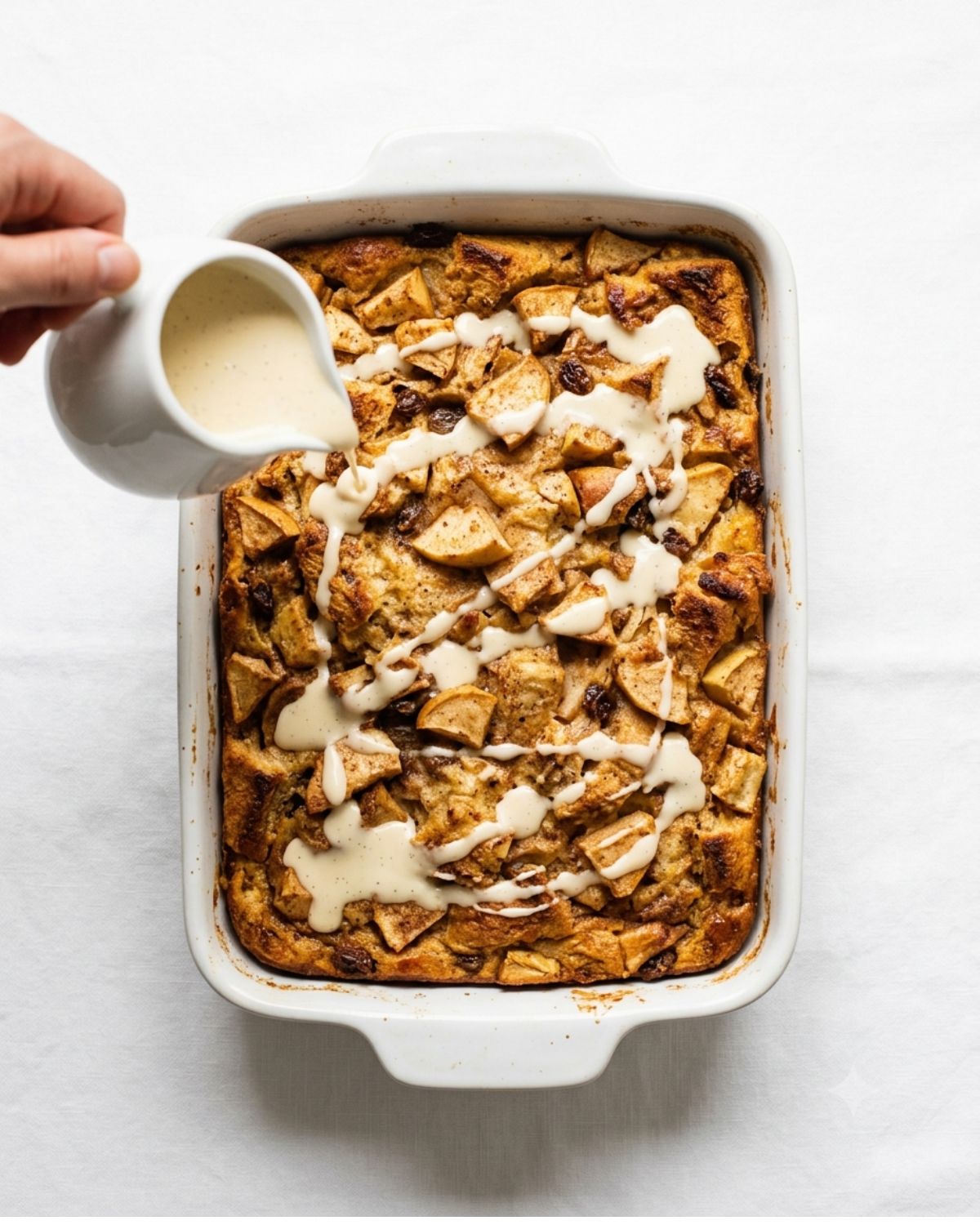
apple bread pudding recipe
Bread

Apple Bread Pudding Recipe (Old-Fashioned & So Cozy)

Fresh apples, warm cinnamon, and soft baked bread always bring a cozy feeling to my kitchen. I began making this Apple Bread Pudding as a simple way to use up leftover bread, and it quickly became one of those recipes my family requests again and again. The combination of creamy custard, tender apples, and a golden, lightly crisp top makes every bite warm, comforting, and full of homemade flavor. Whether you’re serving it for a cozy weekend dessert, a holiday gathering, or a special family dinner, this easy Apple Bread Pudding recipe is sure to become a favorite in your home too. Why You’ll Love This Apple Bread Pudding Recipe Key Ingredients & Helpful Tips Bread Day-old bread is the best choice because it soaks up the custard without becoming soggy. Brioche, challah, or French bread all work wonderfully, but any sturdy bread will do. If you’re using fresh bread, toast the cubes in a 300°F oven for about 10 minutes to dry them out before mixing. Apples Choose firm apples like Honeycrisp, Granny Smith, Fuji, or Pink Lady for the best results. These varieties become tender while baking but still hold their shape, adding sweet, juicy bites throughout the pudding. Raisins Raisins are completely optional, but they add natural sweetness and a chewy texture that pairs beautifully with the soft custard. If raisins aren’t your favorite, simply leave them out or replace them with dried cranberries or chopped nuts. Milk Whole milk creates a smooth, creamy custard with plenty of richness. For an even more indulgent dessert, substitute half of the milk with heavy cream or half-and-half for a richer flavor and silkier texture. Brown Sugar Brown sugar gives this bread pudding its deep caramel-like sweetness and complements the apples and cinnamon perfectly. Light or dark brown sugar both work well, with dark brown sugar providing an even richer molasses flavor. How to Make Apple Bread Pudding Step 1: Prepare the Bread and Apples Cut the bread into bite-sized cubes and place them in a large mixing bowl. Peel, core, and dice the apples, then add them along with the raisins. Gently toss everything together so the apples are evenly distributed throughout the bread. Step 2: Make the Custard In a separate bowl, whisk together the milk, brown sugar, melted butter, eggs, cinnamon, and vanilla extract until the mixture is smooth and well combined. Step 3: Soak the Bread Pour the custard over the bread mixture, making sure every piece is coated. Gently press the bread into the liquid with a spoon, then let it rest for 10 minutes so it can fully absorb the custard. Step 4: Bake Until Golden Transfer the mixture to a greased 7×11-inch baking dish and spread it evenly. Bake at 350°F (175°C) for about 45 minutes, or until the top is golden brown and the center is just set. Step 5: Prepare the Vanilla Sauce While the bread pudding is baking, combine the milk, butter, white sugar, and brown sugar in a small saucepan over medium heat. Stir until the butter melts and the sugar dissolves. Simmer for 2–3 minutes until slightly thickened, then remove from the heat and stir in the vanilla extract. Step 6: Serve and Enjoy Drizzle the warm vanilla sauce over the freshly baked apple bread pudding and serve while it’s warm. Add a scoop of vanilla ice cream or a dollop of whipped cream for an extra-special dessert, if desired. Pro Tips for the Best Apple Bread Pudding Start with Stale Bread Using slightly stale bread is the secret to a perfectly custardy bread pudding. Fresh bread tends to become soggy, while day-old bread absorbs the custard evenly and holds its shape. Cut the Apples Evenly Dice the apples into small, even pieces or thin slices so they bake at the same rate. This ensures every bite is tender without any crunchy pieces. Let the Bread Soak After pouring the custard over the bread, let it rest for 10–15 minutes. This simple step allows the bread to fully absorb the liquid, resulting in a rich, creamy texture. Bake Until Just Set The pudding is done when the top is golden brown and the center is just set. Avoid overbaking, as it can dry out the custard and make the pudding less creamy. Cover If Needed If the top starts browning too quickly, loosely cover the baking dish with aluminum foil for part of the baking time. Remove the foil during the last 15–20 minutes to help the top turn perfectly golden. Serve with Warm Vanilla Sauce For the best flavor and texture, prepare the vanilla sauce just before serving. Warm sauce soaks into the bread pudding beautifully, making every bite extra rich and delicious. Easy Ways to Customize Your Apple Bread Pudding Try More Recipe Frequently Asked Questions Final Thoughts Apple Bread Pudding is one of those comforting desserts I never get tired of making. I love how simple, everyday ingredients come together to create a warm, cozy treat that’s perfect for sharing with family and friends. The creamy custard, tender apples, and warm cinnamon flavors make every bite feel comforting and homemade.I hope this recipe earns a place in your kitchen just like it has in mine. If you make it, I’d love to hear what you think! Leave a comment below and let me know how it turned out, or share your favorite variation.

Candy Cane Sugar Cookies recipe
Cookies

Candy Cane Sugar Cookies (Soft & Buttery)

Every holiday season, I love baking a batch of Candy Cane Sugar Cookies because they instantly make the kitchen feel warm and festive. I still remember crushing candy canes with my family while the cookies baked, filling the house with the sweet scent of peppermint and vanilla. These soft, buttery cookies have become one of our favorite Christmas traditions, and they’re always the first treat to disappear from the cookie platter. If you’re looking for an easy, festive dessert that’s perfect for sharing, this Candy Cane Sugar Cookies recipe is sure to become a holiday favorite in your home too. Why You’ll Love These Candy Cane Sugar Cookies Ingredient Notes These Candy Cane Sugar Cookies are made with simple baking staples, but each ingredient plays an important role in creating soft, buttery cookies with the perfect festive peppermint flavor. Salted Butter Use room-temperature butter so it creams easily with the sugar, creating a light and fluffy dough. This helps the cookies bake up soft and tender with a rich, buttery taste. If using unsalted butter, simply add an extra pinch of salt. Granulated Sugar Granulated sugar sweetens the dough and also coats the cookie dough before baking. This creates a beautiful sparkly finish with lightly crisp edges while keeping the centers soft. Baking Powder Baking powder gives these cookies their thick, soft, bakery-style texture. It helps them rise without spreading too much, so they stay fluffy instead of flat. Crushed Candy Canes Crushed candy canes bring classic peppermint flavor and a festive crunch to every bite. Stir some into the dough for flavor throughout the cookies, then sprinkle more over the frosting for extra color and holiday charm. Cream Cheese Frosting Cream cheese frosting adds a smooth, creamy finish with just the right amount of tanginess to balance the sweetness. It pairs perfectly with the peppermint and makes these cookies look just as festive as they taste. How to Make Candy Cane Sugar Cookies These Candy Cane Sugar Cookies are easy to make and perfect for holiday baking. Simply prepare the dough, chill it, bake until soft, and finish with a creamy frosting and crushed candy canes for a festive touch. Step 1: Cream the Butter and Sugar In a large mixing bowl, beat the softened butter and granulated sugar together for 2–3 minutes until the mixture is light, pale, and fluffy. This step is important because it incorporates air into the dough, giving the cookies their soft, tender texture. Step 2: Add the Wet Ingredients Beat in the eggs one at a time, mixing well after each addition. Stir in the vanilla extract until fully combined. Scrape down the sides and bottom of the bowl to ensure everything is evenly mixed. Step 3: Mix the Dry Ingredients In a separate bowl, whisk together the flour, baking powder, and salt. Slowly add the dry ingredients to the wet mixture, mixing on low speed just until combined. The dough should be soft and smooth. Be careful not to overmix, as this can make the cookies dense instead of tender. Step 4: Fold in the Candy Canes Using a spatula, gently fold the crushed candy canes into the dough until evenly distributed. Reserve a small handful for decorating the frosted cookies later. Folding by hand helps keep the candy pieces from breaking down too much. Step 5: Chill the Dough Cover the bowl tightly with plastic wrap or a lid and refrigerate for at least 1 hour. Chilling firms up the butter, making the dough easier to scoop and helping the cookies bake thick and soft without spreading too much. Step 6: Shape and Bake Preheat your oven to 350°F (175°C) and line baking sheets with parchment paper. Scoop about 2tablespoons of dough for each cookie and roll into smooth balls. Roll each ball in granulated sugar for a lightly crisp, sparkly finish. Arrange them about 2 inches apart and bake for 10–12 minutes, or until the edges are lightly golden while the centers still look slightly soft. They’ll continue to set as they cool. Step 7: Cool Completely Let the cookies cool on the baking sheet for about 5 minutes, then transfer them to a wire rack to cool completely. Don’t frost warm cookies, or the frosting will melt and slide off. Step 8: Make the Cream Cheese Frosting In a clean bowl, beat the softened cream cheese and butter until smooth and creamy. Add the vanilla extract and a pinch of salt, then gradually mix in the powdered sugar until the frosting is thick, fluffy, and easy to spread or pipe. Step 9: Frost and Decorate Once the cookies are completely cool, spread or pipe the cream cheese frosting over each one. Immediately sprinkle the reserved crushed candy canes on top so they stick before the frosting sets. Let the frosting firm up for 15–20 minutes before serving, packaging, or storing the cookies. Expert Tips for Perfect Candy Cane Sugar Cookies Variations & Substitutions Storage & Make-Ahead Instructions Room Temperature Store unfrosted cookies in an airtight container at room temperature for up to 4 days. Refrigerator Store frosted cookies in an airtight container with parchment paper between layers for up to 5 days. Keep them refrigerated because of the cream cheese frosting. Freeze the Dough Wrap the unbaked dough tightly and freeze for up to 3 months. Thaw it overnight in the refrigerator before rolling and baking. Freeze Baked Cookies Freeze unfrosted baked cookies in a freezer-safe container or bag for up to 2 months. Thaw completely, then frost before serving for the best texture and appearance. Try More Cookies Best Lemon Poppy Seed Cookies Best Peanut Butter Blossoms Chocolate Crinkle Cookies Lemon Crinkle Cookies Frequently Asked Questions Final Thoughts These Candy Cane Sugar Cookies are simple but always feel special. Soft, buttery cookies with crunchy peppermint and creamy frosting taste like Christmas in every bite. They’re reliable, easy to perfect, and often become a yearly holiday tradition. Perfect for cookie boxes, gatherings, or cozy winter treats, they always

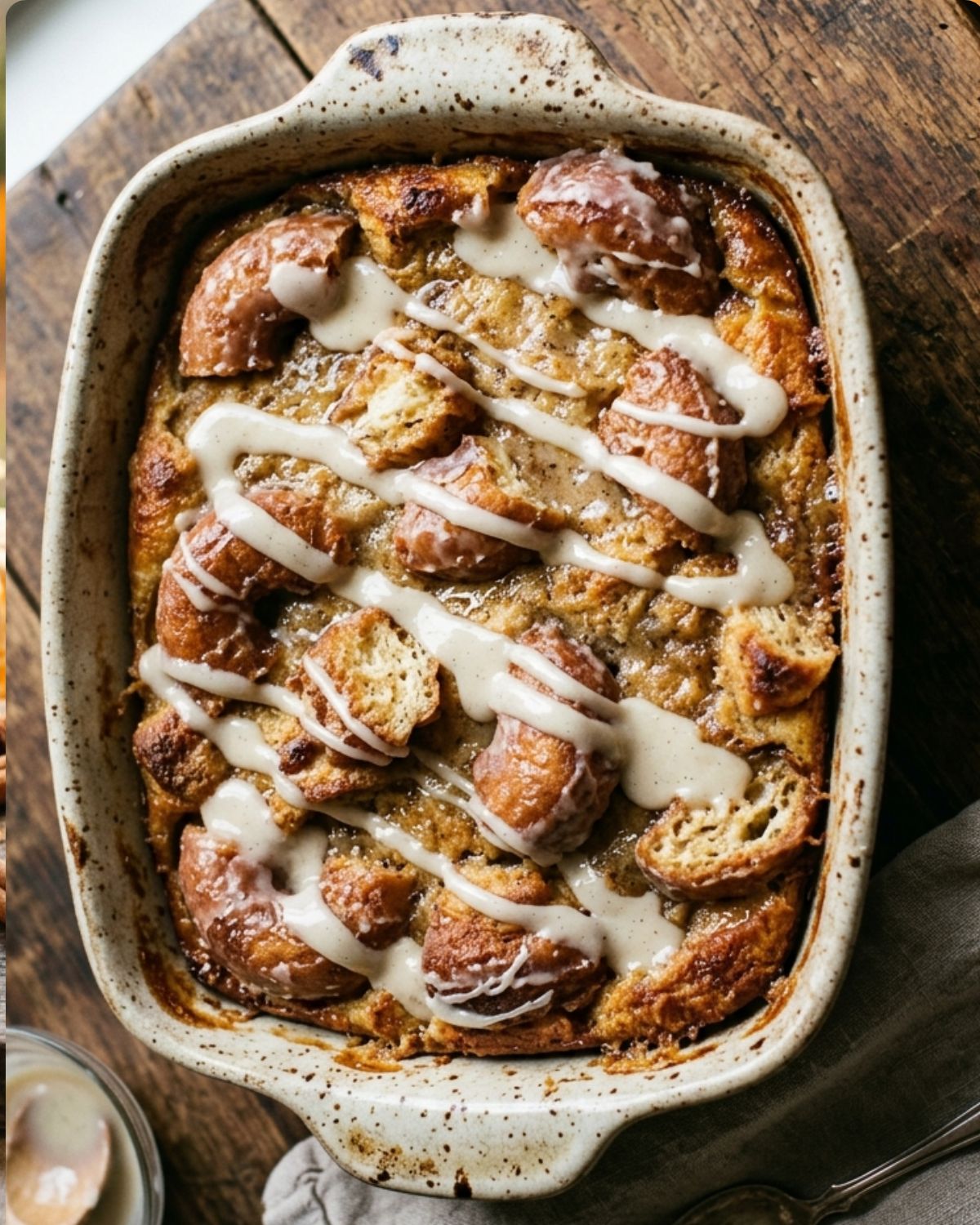
Donut bread pudding in a baking dish with vanilla glaze drizzled on top
Bread

Easy Donut Bread Pudding Recipe Everyone Loves

There’s something special about turning a few leftover donuts into a dessert that brings everyone to the table. This Donut Bread Pudding Recipe is one of those cozy family favorites that fills the kitchen with the sweet aroma of vanilla and cinnamon as it bakes. Soft glazed donuts soak up a rich, creamy custard, creating a dessert that’s crisp and golden on top while perfectly soft in the center. Whether you’re planning a weekend brunch, serving a comforting dessert after dinner, or looking for a delicious way to use up extra donuts, this recipe never disappoints. It comes together with simple pantry ingredients, is easy enough for beginners, and tastes like something straight from a bakery. Serve it warm with a drizzle of glaze, whipped cream, or a scoop of vanilla ice cream, and watch it disappear in no time. Ingredients You’ll Need This Donut Bread Pudding Recipe proves that you don’t need a long ingredient list to make an unforgettable dessert. With just a few everyday ingredients, you can transform leftover glazed donuts into a warm, rich, and custardy treat that’s perfect for breakfast, brunch, or dessert. Each ingredient has a specific purpose, working together to create a soft center, a lightly crisp golden top, and plenty of comforting flavor. How to Make Donut Bread Pudding Making this Donut Bread Pudding Recipe couldn’t be easier. With just a few simple steps, you’ll have a warm, golden dessert that’s soft, custardy, and packed with sweet donut flavor. Letting the donuts soak in the custard before baking is the secret to achieving the perfect texture in every bite. Step 1: Preheat and Prepare the Baking Dish Preheat your oven to 350°F (175°C). Lightly grease an 8×8-inch baking dish with butter or nonstick cooking spray to prevent sticking and make serving much easier. Step 2: Cube the Donuts and Add the Butter Cut the 6 stale glazed donuts into bite-sized cubes and spread them evenly in the prepared baking dish. Drizzle the melted butter over the top, making sure it reaches as many pieces as possible. This helps create a deliciously crisp, golden crust while adding extra buttery flavor. Step 3: Make the Custard In a medium mixing bowl, whisk the 4 beaten eggs until smooth. Add the whole milk, ground cinnamon, and vanilla extract, then whisk again until everything is fully combined. The custard should be smooth, creamy, and evenly blended. Step 4: Soak the Donuts Slowly pour the custard mixture over the cubed donuts, making sure every piece is coated. Gently press the donuts down with the back of a spoon so they absorb the liquid evenly. Let the mixture rest for 10–15 minutes before baking. This extra soaking time allows the donuts to become soft and custardy without falling apart. Step 5: Bake Until Golden Place the baking dish in the preheated oven and bake for 45–50 minutes, or until the top is beautifully golden brown and the center is set. A knife inserted near the center should come out mostly clean with no runny custard. Step 6: Cool Slightly and Serve Allow the bread pudding to cool for 5–10 minutes before serving. Enjoy it warm on its own, or make it even more indulgent with a drizzle of vanilla glaze, warm caramel sauce, a dusting of powdered sugar, fresh berries, whipped cream, or a scoop of vanilla ice cream. Every bite is rich, comforting, and perfect for sharing with family and friends. Expert Tips for the Best Donut Bread Pudding Substitutions and Variations Customize this Donut Bread Pudding Recipe with these simple swaps and tasty add-ins. How to Store Donut Bread Pudding Keep your Donut Bread Pudding fresh and delicious with these simple storage tips. Try more recipe Frequently Asked Questions Final Thoughts This Donut Bread Pudding Recipe is proof that a few simple ingredients can turn leftover donuts into something truly special. With its soft, custardy center, golden buttery top, and comforting flavor, it’s a dessert that’s just as perfect for a cozy family dinner as it is for a weekend brunch or holiday gathering.Whether you’re making it to reduce food waste or simply satisfy a sweet craving, this easy recipe is one you’ll want to keep coming back to. If you give it a try, I’d love to hear how it turned out! Leave a comment below, share your favorite variations, and don’t forget to rate the recipe.

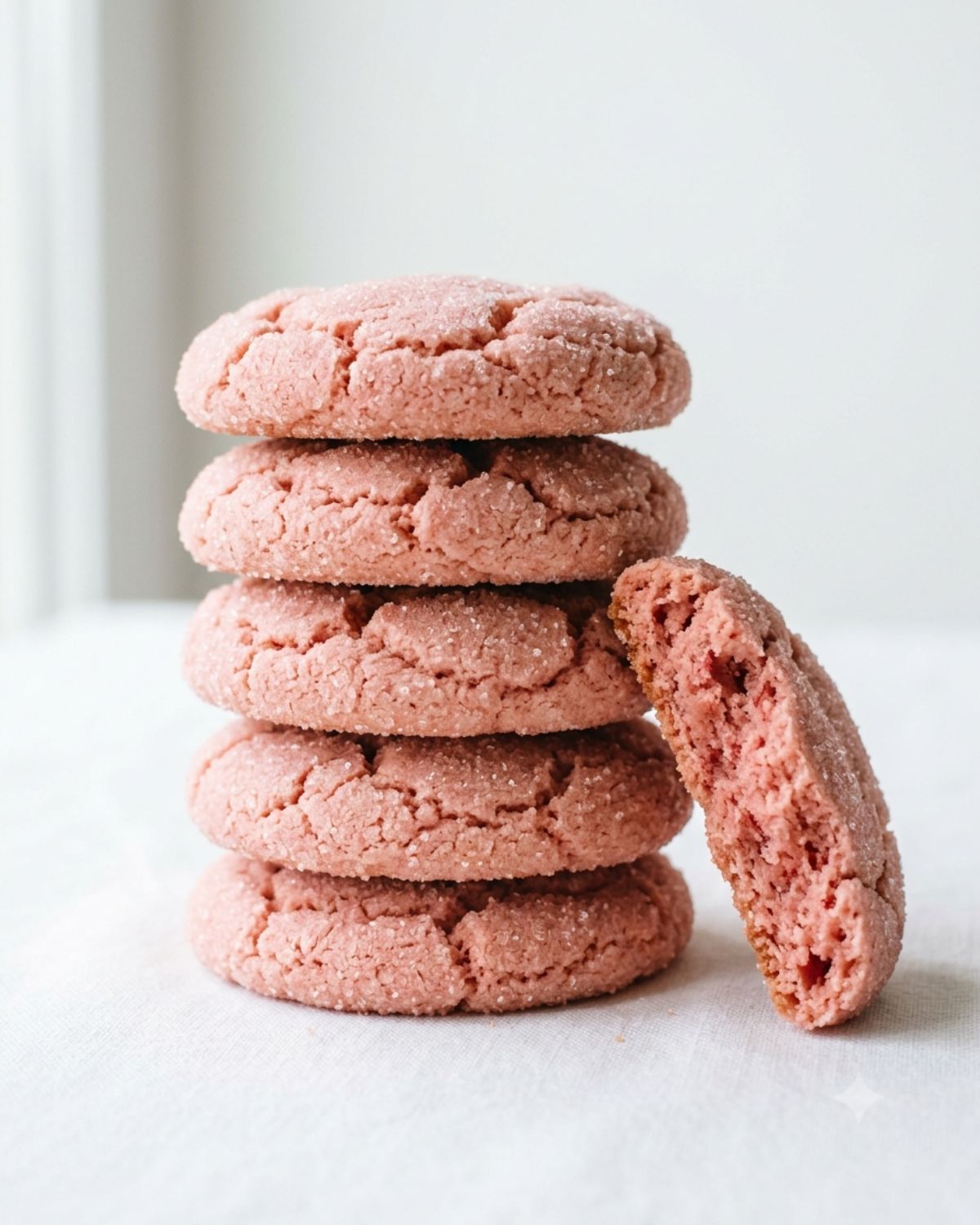
Stack of soft pink strawberry sugar cookies rolled in sugar on a white background
Cookies

Strawberry Sugar Cookies (Soft, Chewy & Bursting with Real Strawberry Flavor)

Strawberry Sugar Cookies are one of those treats that never last long in my house. As soon as a fresh batch comes out of the oven, everyone gathers in the kitchen, eager to grab a warm cookie before they’ve even had a chance to cool. Their soft, buttery texture and sweet strawberry flavor make them perfect for family gatherings, holidays, birthdays, or an afternoon treat with a cup of tea. If you’re looking for an easy homemade cookie that’s as beautiful as it is delicious, these Strawberry Sugar Cookies are sure to become a favorite. Everything You’ll Need to Make Strawberry Sugar Cookies These Strawberry Sugar Cookies come together in two simple parts: a homemade strawberry syrup and a soft, buttery cookie dough. The strawberry syrup adds fresh, fruity flavor, while the cookie dough creates a soft, chewy texture with buttery sweetness in every bite. For the Homemade Strawberry Syrup For the Strawberry Sugar Cookie Dough How to Make Strawberry Sugar Cookies Step 1: Make the Strawberry Syrup Add the quartered strawberries and ¾ cup granulated sugar to a small saucepan over medium heat. Cook for 10–12 minutes, stirring occasionally and gently mashing the berries as they soften. Continue cooking until the mixture becomes thick and jam-like and coats the back of a spoon. Remove from the heat and let the syrup cool completely before using. Step 2: Prepare the Dry Ingredients In a medium mixing bowl, whisk together the gluten-free flour, cornstarch, baking powder, and kosher salt until evenly combined. Set aside while you prepare the wet ingredients. Step 3: Cream the Butter and Sugar In a large bowl, beat the softened butter and 1¼ cups granulated sugar with a hand mixer or stand mixer for 2–3 minutes, until the mixture is light, pale, and fluffy. Step 4: Mix in the Wet Ingredients Add the cornstarch-water mixture, vanilla extract, milk, cooled strawberry syrup, and red food coloring (if using). Beat until the mixture is smooth and evenly blended with a vibrant pink color. Step 5: Combine the Dough Gradually add the dry ingredients to the wet mixture in two additions, mixing on low speed just until no dry flour remains. Avoid overmixing to keep the cookies soft and tender. Step 6: Chill the Cookie Dough Cover the bowl and refrigerate the dough for at least 2½ hours, or overnight for even better flavor. Chilling helps the dough firm up and prevents the cookies from spreading too much while baking. Step 7: Shape and Coat the Cookies Scoop the chilled dough into 12 equal portions (about 2 tablespoons each). Roll each dough ball in the reserved 2 tablespoons granulated sugar until evenly coated, then place them on the prepared baking sheet, leaving space between each cookie. Step 8: Bake Until Soft and Chewy Preheat the oven to 350°F (175°C) and line a baking sheet with parchment paper. Bake the cookies for 13–15 minutes, or until the edges are set and the centers still look slightly soft. Let the cookies cool on the baking sheet for 5 minutes, then transfer them to a wire rack to cool completely. Pro Tip: Don’t overbake the cookies. They will continue to set as they cool, giving you the perfect soft and chewy texture. Expert Tips for Perfect Strawberry Sugar Cookies These simple tips will help you bake soft, chewy Strawberry Sugar Cookies with the best texture and flavor every time. Make a Thick Strawberry Syrup Cook the strawberry syrup until it becomes thick and jam-like, not watery. A thick syrup adds rich strawberry flavor and prevents the dough from becoming too soft. Always let it cool completely before adding it to the dough. Chill the Dough Refrigerate the dough for at least 2½ hours before baking. Chilling helps the cookies hold their shape, prevents excessive spreading, and creates a soft, chewy texture. Don’t Overmix or Overbake Mix the dough just until the flour is incorporated, then bake the cookies until the edges are set while the centers still look slightly soft. They will continue to set as they cool, giving you perfectly tender Strawberry Sugar Cookies. Substitutions and Variations These simple substitutions and variations make it easy to customize your Strawberry Sugar Cookies without sacrificing their soft, chewy texture or delicious strawberry flavor. Use Regular All-Purpose Flour If you don’t need a gluten-free recipe, replace the gluten-free flour blend with 2 cups of regular all-purpose flour. The measurement stays the same, and the cookies will still bake up soft with lightly crisp edges. Make Them Dairy-Free Swap the butter for a vegan baking stick and use your favorite plant-based milk, such as almond, oat, or soy milk. These easy substitutions keep the cookies rich, tender, and just as delicious. Customize the Flavor Frozen strawberries work just as well as fresh strawberries for the homemade syrup, making this recipe perfect year-round. For a more natural look, skip the food coloring and let the strawberry syrup create a soft pink hue. If you’d like an extra touch of sweetness, fold ½ cup white chocolate chips into the dough before baking for a creamy flavor that pairs beautifully with the strawberries. How to Store Strawberry Sugar Cookies Keep your Strawberry Sugar Cookies fresh by storing them properly. Whether you’re saving leftovers or freezing a batch for later, these cookies stay soft and delicious with the right storage. Room Temperature Place the cooled cookies in an airtight container and store them at room temperature for up to 4 days. For the best texture, keep a piece of parchment paper between layers to prevent the cookies from sticking together. Freezer For longer storage, freeze the baked cookies in a freezer-safe container or zip-top bag for up to 2 months. You can also freeze the sugar-coated cookie dough balls on a baking sheet until firm, then transfer them to a freezer bag. Bake directly from frozen, adding 1–2 extra minutes to the baking time. There’s no need to thaw the dough first. Try more cookies Lemon Crinkle Cookies Chocolate

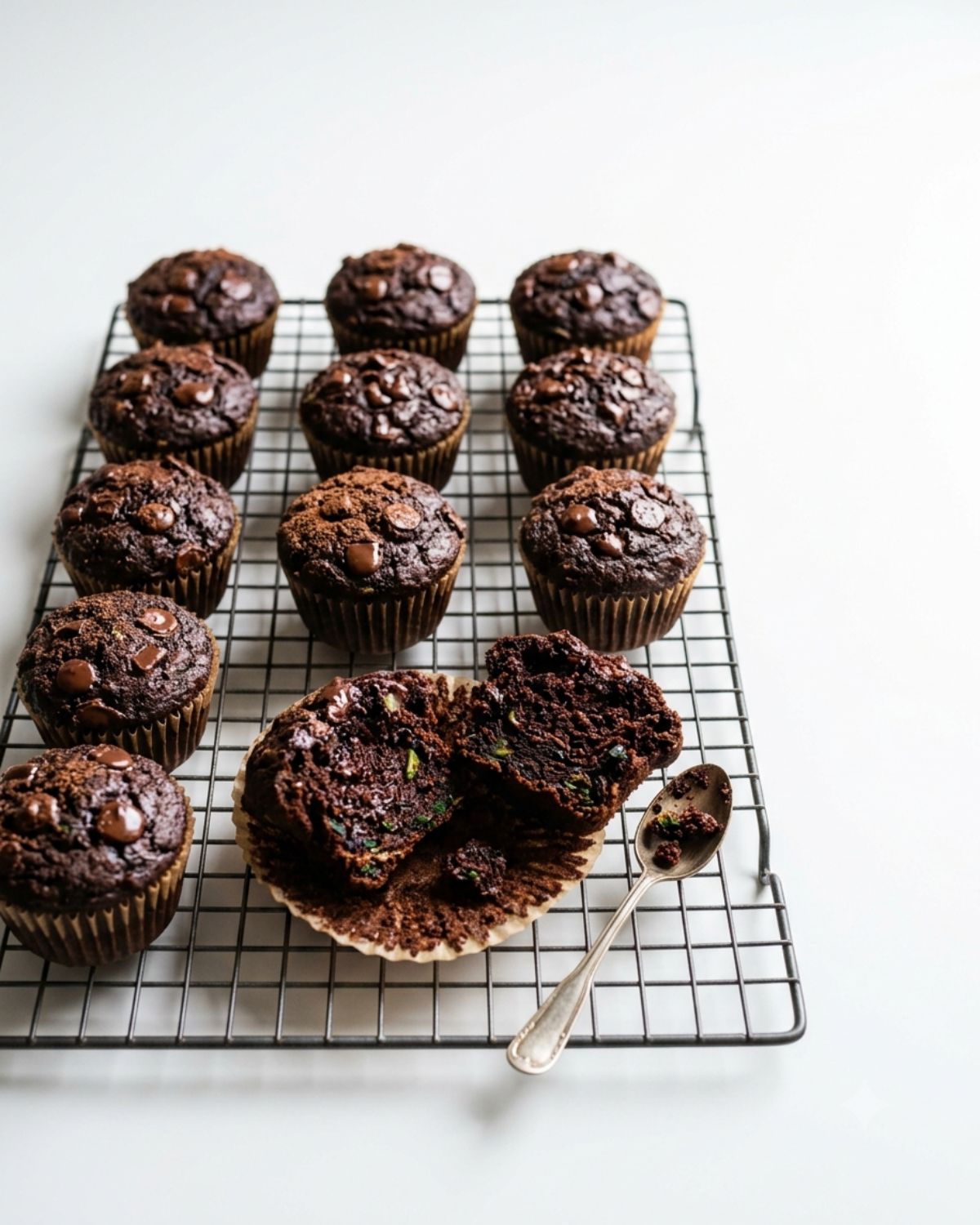
Freshly baked chocolate veggie muffins cooling on a wire rack with zucchini and spinach beside them
Muffins

Chocolate Veggie Muffins (Healthy, Moist, and Kid-Approved)

I started making these Chocolate Veggie Muffins when I wanted a snack that felt like a treat but still included something nutritious. The rich chocolate flavor is so satisfying that no one even notices the hidden vegetables tucked inside. Now they’ve become one of my favorite muffins to bake for breakfast, lunchboxes, or an afternoon snack because they’re soft, moist, and always disappear quickly. If you’re looking for an easy way to enjoy chocolate while adding extra veggies, these Chocolate Veggie Muffins are the perfect recipe to try. Why You’ll Love These Chocolate Veggie Muffins If you love chocolate but also want a wholesome homemade snack, these Chocolate Veggie Muffins are the perfect choice. They’re soft, moist, and packed with rich chocolate flavor, while hidden vegetables add extra nutrition without changing the taste. Whether you’re baking for your family, meal prepping for the week, or looking for a healthier treat, this recipe is one you’ll make again and again. Rich Double Chocolate Flavor Made with cocoa powder and chocolate chips, these muffins have a deep, fudgy chocolate taste that feels like a bakery-style treat. No one will believe they’re packed with vegetables. Hidden Veggies That Blend Right In Grated zucchini, ripe banana, and baby spinach melt into the batter as the muffins bake. They add moisture, natural sweetness, and nutrients while staying completely hidden in every bite. Soft, Moist, and Tender Thanks to the combination of banana, zucchini, and honey, every muffin comes out incredibly soft with a tender crumb that stays moist for days. Simple and Beginner-Friendly This recipe comes together with just a blender and one mixing bowl, making cleanup quick and the baking process easy, even if you’re new to baking. Naturally Sweetened Instead of relying on lots of refined sugar, these muffins get much of their sweetness from ripe banana and honey, creating a balanced flavor that’s sweet without being overpowering. Perfect for Meal Prep Bake a batch ahead of time and store them in the freezer for quick breakfasts, school lunches, or afternoon snacks. They thaw beautifully and taste just as fresh. Kid-Approved These muffins are a fun way to add extra vegetables to your family’s diet. Even picky eaters usually can’t tell they’re made with zucchini and spinach because the rich chocolate flavor steals the show. Ingredients for Chocolate Veggie Muffins Ingredient Notes The shredded zucchini is the secret ingredient that makes these Chocolate Veggie Muffins incredibly moist while staying completely hidden once baked. Ripe banana blends smoothly with the spinach to create a naturally creamy mixture, reducing the need for extra fat and adding natural sweetness. If you’d like to try a different variation, you can replace the zucchini with shredded carrots for a slightly sweeter flavor while keeping the muffins soft and delicious. How to Make Chocolate Veggie Muffins (Step-by-Step) Step 1: Prepare the Muffin Pan Preheat your oven to 400°F (200°C) and line a 12-cup muffin pan with paper liners or lightly grease it. Shred the zucchini and gently squeeze out as much liquid as possible using a clean kitchen towel or paper towels. Removing the extra moisture helps the muffins bake with a light, fluffy texture instead of becoming dense. Step 2: Blend the Wet Ingredients Add the shredded zucchini, ripe banana, baby spinach, honey, yogurt, eggs, milk, and hemp hearts to a blender. Blend until the mixture is completely smooth and creamy. This step hides the vegetables perfectly, making these muffins great for kids and picky eaters. Step 3: Mix the Dry Ingredients In a large mixing bowl, whisk together the all-purpose flour, cocoa powder, baking powder, baking soda, and salt. Mixing the dry ingredients first helps everything combine evenly and prevents lumps in the batter. Step 4: Combine the Batter Pour the blended wet mixture into the bowl of dry ingredients. Stir gently until just combined, being careful not to overmix. Fold in most of the chocolate chips, saving a small handful to sprinkle over the tops before baking for an extra chocolatey finish. Step 5: Bake the Muffins Divide the batter evenly among the prepared muffin cups, filling each about three-quarters full. Sprinkle the remaining chocolate chips on top. Bake at 400°F (200°C) for 5 minutes, then reduce the oven temperature to 350°F (175°C) without opening the oven door. Continue baking for 15–18 minutes, or until a toothpick inserted into the center comes out with just a few moist crumbs. Step 6: Cool and Enjoy Let the muffins cool in the pan for about 5 minutes, then transfer them to a wire rack to cool completely. They’re delicious served warm, and the chocolate flavor becomes even richer once they’ve cooled. Expert Tips Squeeze the Zucchini Well After shredding the zucchini, squeeze out as much liquid as possible using a clean kitchen towel or paper towels. Too much moisture can make the muffins dense or soggy. Don’t Overmix the Batter Stir the wet and dry ingredients together just until combined. A few small streaks of flour are perfectly fine. Overmixing can lead to tough, dense muffins instead of a soft, tender crumb. Use Room-Temperature Ingredients Let the eggs and yogurt sit at room temperature for about 20–30 minutes before mixing. This helps create a smoother batter and promotes even baking. Measure the Flour Correctly For the best results, weigh your flour with a kitchen scale. If you don’t have one, spoon the flour into the measuring cup and level it off with a knife instead of scooping directly from the bag. Too much flour can make the muffins dry. Check for Doneness Insert a toothpick into the center of a muffin near the end of the baking time. It should come out with a few moist crumbs but no wet batter. Cool Before Storing Allow the muffins to cool completely on a wire rack before placing them in an airtight container. This prevents trapped steam from making the tops sticky or soggy. Real-Life Variations and Substitutions Swap Zucchini for Carrots Don’t have zucchini? Replace all or half

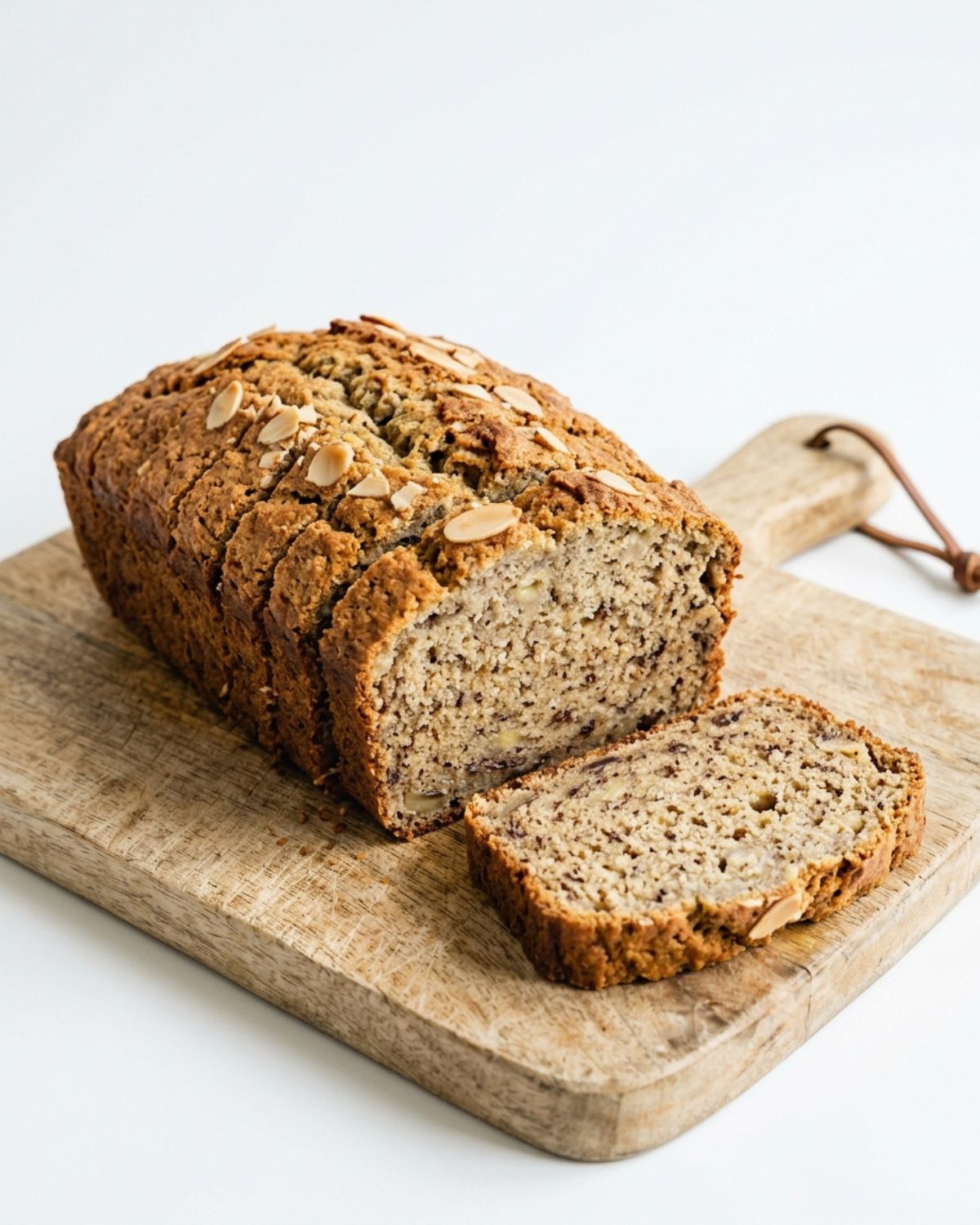
Sliced almond flour banana bread loaf on wooden board with white background"
Bread

Almond Flour Banana Bread (Moist, Easy & Gluten-Free)

If your kitchen is anything like mine, ripe bananas never go to waste because they always turn into this Banana Bread with Almond Flour Recipe. My family loves how soft, moist, and naturally sweet it is, and the warm aroma that fills the house while it bakes makes everyone eager for the first slice. This easy almond flour banana bread is made with simple ingredients, making it a delicious gluten-free treat for breakfast, an afternoon snack, or a light dessert. It’s one of those reliable recipes you’ll find yourself baking again and again. Ingredients You’ll Need for This Banana Bread with Almond Flour Recipe How to Make Banana Bread with Almond Flour Making this Banana Bread with Almond Flour Recipe is simple and requires just a few easy steps. Follow along for a soft, moist loaf with perfect texture every time. Step 1: Preheat the Oven and Prepare the Pan Preheat your oven to 350°F (175°C). Line a 9×5-inch loaf pan with parchment paper, leaving some overhang on the sides so you can easily lift the bread out after baking. Lightly grease the pan before adding the parchment to help it stay in place. Step 2: Mash the Bananas Place the ripe bananas in a large mixing bowl and mash them with a fork until mostly smooth. A few small lumps are perfectly fine and add little bursts of banana flavor throughout the loaf. Step 3: Mix the Wet Ingredients Add the eggs, maple syrup (or honey), melted coconut oil (or avocado oil), and vanilla extract to the mashed bananas. Whisk everything together until the mixture is smooth, creamy, and fully combined. Step 4: Add the Dry Ingredients Sprinkle the cinnamon, baking soda, baking powder, and salt over the wet mixture. Stir gently to evenly distribute the leavening agents before adding the almond flour, which helps prevent any pockets of baking soda or baking powder. Step 5: Fold in the Almond Flour Add the blanched almond flour in two additions, gently folding with a spatula after each one. Mix only until no dry flour remains. Avoid overmixing, as it can make the almond flour banana bread heavier instead of soft and tender. Step 6: Add Optional Mix-Ins If you’re using chopped walnuts or dark chocolate chips, gently fold them into the batter until evenly distributed. This is also a great time to sprinkle a few extra chocolate chips or nuts on top for a beautiful bakery-style finish. Step 7: Bake the Banana Bread Pour the batter into the prepared loaf pan and smooth the top with a spatula. Bake for 50–55 minutes, or until the loaf is golden brown and a toothpick inserted into the center comes out clean or with just a few moist crumbs attached. If the top begins browning too quickly after about 30 minutes, loosely cover it with aluminum foil and continue baking. Step 8: Cool Before Slicing Allow the loaf to cool in the pan for about 15 minutes. Then use the parchment paper to carefully lift it onto a wire rack and let it cool completely before slicing. This helps the bread set properly, making it easier to cut into clean slices without crumbling. Expert Tips for the Best Banana Bread with Almond Flour Easy Substitutions and Variations How to Store Banana Bread with Almond Flour Refrigerator Because almond flour contains more natural oils and moisture than regular wheat flour, this bread stays freshest when stored in the refrigerator. Once the loaf has cooled completely, wrap it tightly in plastic wrap or place it in an airtight container. It will stay fresh for up to 5 days. Let a slice come to room temperature or warm it in the microwave for 10–15 seconds before serving for the best texture. Freezer For longer storage, slice the completely cooled loaf and arrange the slices in a single layer on a baking sheet until frozen. Transfer the frozen slices to a freezer-safe bag or airtight container, separating layers with parchment paper if needed. Freeze for up to 3 months. Thaw individual slices at room temperature for about 30–60 minutes, or warm them in the microwave or toaster before enjoying. Try More Bread Recipes Frequently Asked Questions Final Thoughts This Banana Bread with Almond Flour Recipe is one of my favorite ways to use up ripe bananas. It’s soft, moist, easy to make, and always a hit with my family. Whether you enjoy it for breakfast, as a snack, or with a cup of coffee, every slice is full of comforting homemade flavor. I hope this almond flour banana bread becomes a favorite in your kitchen too. If you make it, I’d love to hear how it turned out leave a comment and rating below, and let me know if you added your own favorite mix-ins!

Stack of blueberry cheesecake muffins on a white kitchen counter
Muffins

Best Blueberry Cheesecake Muffins (Bakery-Style & Easy)

Every summer, blueberries take over our kitchen my mom always buys them in bulk from the local market, and half the batch disappears before I even get to baking with them. These Blueberry Cheesecake Muffins became my way of using them up in something a little more indulgent than a plain muffin, and now they’re one of the most requested treats in our house. There’s something irresistible about warm Blueberry Cheesecake Muffins fresh from the oven. Every bite is filled with juicy blueberries and a smooth, creamy cheesecake center that makes these muffins feel extra special. They’re soft, fluffy, and surprisingly easy to make with simple ingredients perfect for breakfast, brunch, or whenever you’re craving a homemade bakery-style treat. Why You’ll Love These Blueberry Cheesecake Muffins Ingredients for Blueberry Cheesecake Muffins For Muffins Cheesecake Filling Streusel Topping How to Make Blueberry Cheesecake Muffins (Step by Step) Step 1: Prepare the Oven and Muffin Pan Start by preheating your oven to 425°F (220°C) and place a rack in the center. Line a standard 12-cup muffin pan with paper liners. This recipe makes about 15 muffins, so have a second pan or a few extra liners ready for the remaining batter. Preheating the oven first helps the muffins rise with beautiful domed tops. Step 2: Make the Cheesecake Filling In a small bowl, beat the softened cream cheese, sugar, and vanilla until completely smooth and creamy. If your cream cheese is still cold, let it sit at room temperature for 20–30 minutes first it will mix much more easily and give you a silky filling without lumps. Set it aside while you prepare the batter. Step 3: Mix the Wet Ingredients In a large mixing bowl, whisk together the vegetable oil, melted butter, and sugar until well combined. Add the egg, egg white, buttermilk, and vanilla extract, then whisk again until the mixture looks smooth and creamy. Don’t worry if it isn’t perfectly thick at this stage that’s exactly how it should look. Step 4: Add the Dry Ingredients In a separate bowl, whisk together the flour, cornstarch, baking powder, and salt. Gradually add the dry ingredients to the wet mixture and gently fold everything together with a spatula. Stop mixing as soon as you no longer see streaks of flour. A few small lumps are perfectly fine and will help keep your muffins soft and tender. Step 5: Fold in the Blueberries If you’re using fresh blueberries, gently toss them with a teaspoon of flour before adding them to the batter. This helps keep them from sinking while baking. Fold the blueberries in with just a few gentle strokes so they stay whole and don’t turn the batter purple. If you’re using frozen blueberries, add them straight from the freezer without thawing. Step 6: Make the Streusel Topping In a small bowl, combine the flour, brown sugar, and salt. Pour in the melted butter and mix everything with a fork until you have small, buttery crumbs. If the mixture seems too wet, add a teaspoon of flour. If it’s too dry, stir in a tiny bit more melted butter. Step 7: Fill the Muffin Cups Spoon a little batter into each muffin liner until it’s about one-third full. Add a generous teaspoon of the cheesecake filling right in the center, then cover it with more batter until each liner is about three-quarters full. Finish by sprinkling the streusel evenly over each muffin, gently pressing it down so it sticks while baking. Step 8: Bake Until Golden Bake the muffins at 425°F (220°C) for 5 minutes to give them a nice bakery-style rise. Without opening the oven door, reduce the temperature to 350°F (175°C) and continue baking for 18–20 minutes. Check for doneness by inserting a toothpick near the edge of a muffin instead of the center, since the cheesecake filling will still be soft. Step 9: Let Them Cool Once the muffins come out of the oven, let them rest in the pan for about 10 minutes. Then transfer them to a wire rack to cool completely. The cheesecake filling will continue to set as the muffins cool, so waiting another 15–20 minutes before taking a bite is definitely worth it. Expert Tips for Perfect Blueberry Cheesecake Muffins Soften the Cream Cheese First Always let the cream cheese sit at room temperature until it’s fully softened before mixing. This creates a smooth, creamy filling without any lumps. Coat the Blueberries with Flour Toss the blueberries with a little flour before folding them into the batter. This simple trick helps keep them evenly distributed instead of sinking to the bottom. Don’t Overmix the Batter Once you add the dry ingredients, mix gently and stop as soon as everything is combined. Overmixing develops the gluten and can make the muffins dense instead of soft and fluffy. Use an Ice Cream Scoop An ice cream scoop makes it easy to portion the batter evenly. Uniform muffins bake more consistently and all finish at the same time. Start with a High Oven Temperature Bake the muffins at 425°F (220°C) for the first 5 minutes, then lower the temperature to 350°F (175°C). This gives the muffins their beautiful tall, bakery-style tops. Chill the Filling if Needed If the cheesecake filling becomes too soft to scoop, place it in the freezer for about 10 minutes. It will firm up enough to stay neatly in the center of each muffin. Cover with Foil if Browning Too Quickly If the tops are getting too dark before the muffins are fully baked, loosely cover the pan with aluminum foil for the remaining baking time. This prevents over-browning while allowing the centers to finish baking. Ingredient Substitutions No Buttermilk? Mix ½ cup milk with 1½ teaspoons lemon juice or white vinegar and let it sit for 5 minutes. It works as an easy homemade buttermilk substitute and keeps the muffins tender. Using Frozen Blueberries Frozen blueberries work just as well as fresh. Add them straight from the freezer and toss

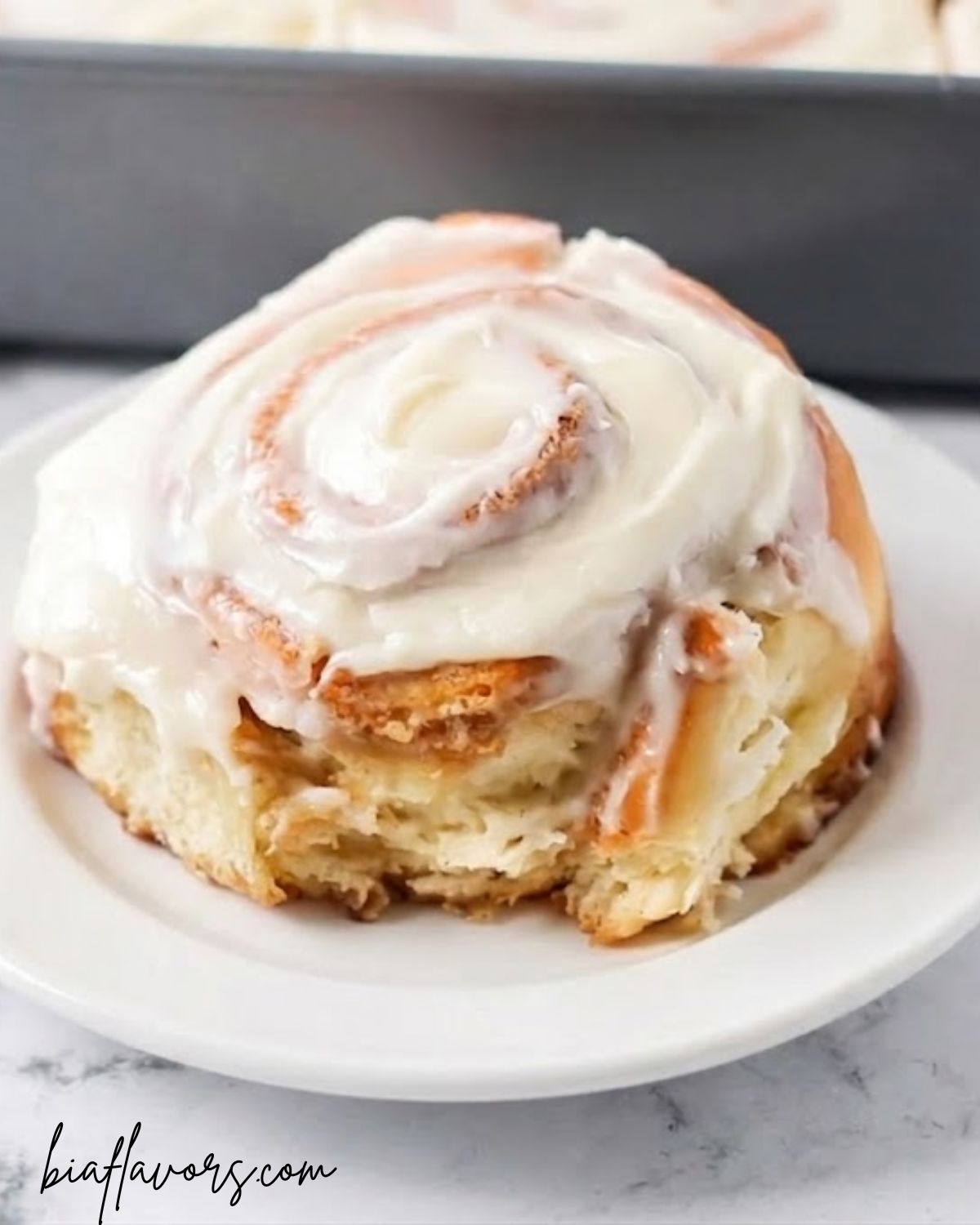
Fluffy bakery-style cinnamon rolls with rich cinnamon swirl inside
Breakfast

Easy Cinnamon Rolls From Scratch (Soft, Fluffy & Bakery-Style)

The smell of warm cinnamon drifting through the kitchen has a way of pulling everyone out of bed. Last winter, I baked a batch of these easy cinnamon rolls from scratch on a cold Saturday morning, expecting leftovers for the next day. That never happened. My husband grabbed one while they were still warm. My kids followed a few minutes later. By the time I poured my coffee, half the pan was gone. What I love most about this recipe is that it doesn’t require complicated techniques or special equipment. The dough comes together with simple pantry staples, and the cream cheese icing melts perfectly into every swirl. If you’ve always wanted homemade cinnamon rolls but felt intimidated by yeast dough, this recipe is a great place to start. Why You’ll Love This Cinnamon Rolls Recipe These homemade cinnamon rolls have a soft, fluffy center and a rich cinnamon-sugar filling. The dough is easy to work with, making it ideal for beginners.You’ll only need basic ingredients, one mixing bowl, and a little patience while the dough rises. The cream cheese icing adds just enough sweetness without overpowering the cinnamon flavor. Ingredients for Homemade Cinnamon Rolls Dry Ingredients Wet Ingredients Filling 3 Tablespoons softened butter: Helps the cinnamon sugar stick to the dough.1/3 cup brown sugar: Creates a rich caramel-like filling.1 Tablespoon ground cinnamon: The signature flavor of every cinnamon roll. Cream Cheese Icing How to Make Easy Cinnamon Rolls From Scratch (Step by Step) Step 1: Prepare the Dough Place the flour, sugar, and salt into a large bowl and whisk together. Warm the milk and butter until the butter melts and the mixture reaches about 110°F. Stir in the yeast until dissolved, then add the egg and mix everything together until a soft dough forms. Step 2:Knead the Dough Transfer the dough to a lightly floured surface. Knead for 3–5 minutes until smooth and elastic. I once added too much flour at this stage, and the finished rolls turned out heavier than usual. Add extra flour only if absolutely necessary. Step 3: . Rest the Dough Place the dough into a lightly greased bowl. Cover loosely and let it rest for 10 minutes while preparing the filling. Step 4: Add the Filling Roll the dough into a 14×8-inch rectangle. Spread the softened butter evenly across the surface. Mix the brown sugar and cinnamon together and sprinkle it over the butter. Step 5: Roll and Slice Starting from the long side, gently roll the dough into a tight log (about 14 inches). Once rolled, use a sharp knife or dental floss to cut it into 10–12 even pieces. Place the rolls into a lightly greased 9- or 10-inch baking pan, leaving a little space between each one so they can rise properly. Step 6: Let the Rolls Rise Cover the pan with foil, plastic wrap, or a clean kitchen towel. Allow the rolls to rise in a warm place for 60–90 minutes until doubled in size. Step 7: Bake Position the oven rack in the center of the oven. Preheat to 375°F and bake for 24–27 minutes until lightly golden brown. If the tops darken too quickly, loosely cover with foil. Step 8: Make the Cream Cheese Icing Beat the cream cheese until smooth. Add the butter, confectioners’ sugar, and vanilla extract. Mix until creamy and spread over the warm rolls. Step 9: Serve Allow the icing to melt slightly into the warm rolls before serving. This is when they’re at their absolute best. Expert Tips for Perfect Cinnamon Rolls Use warm milk, not hotThe milk should feel warm to the touch, not hot. If it’s too hot, it can kill the yeast, and your dough won’t rise properly. This is one of the most common mistakes beginners make. Knead the dough properlyKneading is key to developing a soft and elastic dough. The dough should feel smooth and slightly tacky but not sticky. If needed, add a little flour but avoid adding too much, as it can make the rolls dense. Be patient with rising timeLet the dough rise until it has fully doubled in size. Rushing this step can result in dense rolls. A warm environment helps the dough rise better and gives you a lighter texture. Don’t overfill the rollsIt might be tempting to add extra filling, but too much can cause the rolls to leak and lose their shape. A balanced layer gives you the perfect swirl and flavor in every bite. Roll the dough evenlyTry to roll the dough into an even rectangle so the rolls bake uniformly. When rolling into a log, keep it tight but gentle to maintain soft layers without compressing the dough. Avoid overbakingBake just until the tops are lightly golden. Overbaking can dry out the rolls. Slightly soft centers are actually perfect for that gooey texture. Glaze in two stepsSpread a small amount of glaze over the rolls right after they come out of the oven so it melts into the layers. Then add the remaining glaze after a few minutes for that perfect creamy finish. Ingredient Substitutions How to Store Soft Cinnamon Rolls Room Temperature If you plan to enjoy your cinnamon rolls within a day, you can easily store them at room temperature. Simply place them in an airtight container or cover them tightly with plastic wrap or foil to prevent them from drying out. When properly stored, they will stay soft and fresh for up to 1 day. However, make sure they are fully covered because exposure to air can quickly make them hard and less enjoyable. Refrigerator For longer storage, the refrigerator is a great option. Place the cinnamon rolls in an airtight container so they stay fresh and do not absorb any odors from the fridge. They will remain good for up to 5 days when stored this way. Keep in mind that the cream cheese glaze may firm up in the fridge, which is completely normal. Before serving, it is always best to warm

slice of espresso cheesecake showing creamy layers and chocolate ganache
Cheesecakes

Espresso Cheesecake

This Espresso Cheesecake is the kind of dessert that instantly feels rich and indulgent from the very first bite. It’s smooth, creamy, and filled with that deep, bold coffee flavor that pairs perfectly with the sweetness of classic cheesecake. I made this when I was craving something a little more grown-up than regular desserts something with a strong flavor but still soft and comforting. The espresso adds just the right intensity without overpowering the creamy texture. It’s the perfect dessert for coffee lovers, dinner parties, or anytime you want something that feels a little elegant but is still easy to make at home. Why We Love This Espresso Cheesecake We love this cheesecake because it’s rich, smooth, and perfectly balanced between sweet and bold coffee flavor. The espresso adds depth and warmth, while the creamy texture makes every bite soft and satisfying. It’s also a great dessert when you want something different from traditional cheesecake. The coffee flavor gives it a slightly sophisticated twist, making it perfect for gatherings, celebrations, or even a cozy treat with a cup of coffee. Ingredients for Espresso Cheesecake Crust: Filling: Ganache Topping: Cream Cheese Frosting (Optional): How to Make Espresso Cheesecake Prepare the crust Start by preheating your oven to 350°F (175°C) and lightly greasing an 8-inch springform pan. In a food processor, crush the Oreo cookies into fine crumbs. Add melted butter and salt, then mix until the crumbs are evenly coated and resemble wet sand. Press the mixture firmly into the bottom of the pan and slightly up the sides (about 1 inch). Use the bottom of a glass or measuring cup to pack it tightly so it holds together well. Bake for 10 minutes, then remove and let it cool completely. Make the cheesecake filling In a large mixing bowl, beat the softened cream cheese for at least 5 minutes until completely smooth and creamy. This step is important to avoid lumps, so take your time and scrape the sides of the bowl as needed. Add sugar and flour, mixing until just combined. Pour in the cooled espresso and mix gently until incorporated. Then add heavy cream and vanilla extract, mixing again until smooth. Add the eggs one at a time, mixing slowly after each addition. Be careful not to overmix at this stage, as too much air can cause cracks while baking. Assemble and bake Pour the cheesecake filling over the cooled crust and gently tap the pan on the counter a few times to release any air bubbles. Bake at 350°F (175°C) for 15 minutes. Without opening the oven door, reduce the temperature to 200°F (95°C) and continue baking for 55–60 minutes. The center should have a slight jiggle while the edges are set. Turn off the oven and leave the cheesecake inside for 30 minutes. Then slightly open the oven door and let it cool for another 15 minutes. This gradual cooling helps prevent cracks. Chill the cheesecake Remove from the oven and let it cool completely at room temperature. Once cooled, refrigerate for at least 8 hours or overnight for the best texture and flavor. Make the ganache Heat the heavy cream until hot (but not boiling), then pour it over the chopped chocolate. Let it sit for 1–2 minutes, then whisk until smooth and glossy. Pour the ganache over the chilled cheesecake and spread evenly. Optional frosting & garnish If you want an extra decorative touch, beat cream cheese and butter until light and fluffy. Add vanilla and powdered sugar, mixing until smooth. Pipe around the edges of the cheesecake. Top with chocolate shavings or espresso beans for a beautiful finish. Expert Tips for Perfect Espresso Cheesecake Common Mistakes to Avoid Storage Tips Serving Suggestions More Cheesecake Recipes You’ll Love FAQs About Espresso Cheesecake Can I use instant coffee instead of espresso?Yes, you can use instant coffee if espresso isn’t available. Just dissolve it in a small amount of hot water to create a strong coffee flavor. Keep it concentrated so it doesn’t thin out the batter too much. Why did my cheesecake crack?Cracks usually happen due to overmixing, overbaking, or sudden temperature changes. Following the slow cooling method and not overmixing helps a lot. How do I know when cheesecake is done?The edges should be set, but the center should still have a slight jiggle when you gently shake the pan. It will firm up as it cools. Can I skip the ganache?Yes, but the ganache adds richness and balances the coffee flavor. You can also replace it with whipped cream if you prefer something lighter. Why is my cheesecake dense instead of creamy?This usually happens if the batter was overmixed or overbaked. Proper mixing and baking time are key for a creamy texture. Final Thoughts This Espresso Cheesecake is one of those desserts that feels a little fancy but is actually very doable at home. The smooth, creamy texture combined with that deep coffee flavor makes it stand out from regular cheesecakes. What makes it really special is how balanced it is not too sweet, not too strong just a perfect mix of rich and comforting. It’s the kind of dessert you make when you want to impress, but also something you’ll find yourself craving again and again. If you enjoy coffee-flavored desserts, this one is definitely worth trying at least once and most likely, it won’t be your last time making it.

creamy Biscoff cheesecake with smooth cookie butter topping
Cheesecakes

Biscoff Cheesecake

If you love desserts that are rich, creamy, and full of flavor, this Biscoff cheesecake is something you’ll likely fall in love with from the first bite. The smooth, velvety cheesecake paired with that warm, caramelized Biscoff taste creates a combination that feels both indulgent and comforting at the same time. Honestly, it’s one of those desserts that instantly feels special without being complicated to make. What makes this recipe even better is how simple and reliable it is. You don’t need any advanced baking skills, and the results still turn out impressive every time. That’s why I keep coming back to this cheesecake whenever I want something that looks beautiful, tastes amazing, and feels like a treat worth sharing. Why We Love This Recipe This Biscoff cheesecake is loved for its rich, creamy texture and that unique caramelized flavor that Biscoff brings. The smooth filling paired with a slightly crunchy base creates a perfect balance that feels satisfying in every bite. It’s not overly sweet, which is why it feels light enough to enjoy even after a full meal. Another reason this recipe stands out is how easy it is to make. You don’t need complicated steps or special techniques, yet the final result looks and tastes like something from a bakery. Honestly, it’s one of those desserts that always impresses without requiring too much effort. What I also like about this recipe is how versatile it is. You can serve it for birthdays, small gatherings, or even as a weekend treat when you want something a little special. Trust me, once you make it, it quickly becomes one of those go-to desserts that everyone asks for again. Ingredients You’ll Need For Biscoff Cheesecake For the Crust For the Cheesecake Filling For the Topping How to Make Biscoff Cheesecake Prepare the Crust Preheat your oven to 325°F (163°C). Line the bottom of a 9-inch springform pan with parchment paper and lightly grease the sides. In a bowl, mix the Biscoff cookie crumbs, brown sugar, and melted butter until everything is evenly combined. Press this mixture firmly into the bottom of the pan to form an even layer. Bake for 7–9 minutes, then set it aside to cool. Once cooled, wrap the outside of the pan with aluminum foil. This step is important because it prevents water from leaking in during the water bath later. Make the Cheesecake Batter Reduce the oven temperature to 300°F (148°C). In a large bowl, beat the cream cheese and Biscoff spread on low speed until smooth and creamy. Mixing on low speed helps avoid adding too much air, which can cause cracks later. Add the brown sugar and flour, then mix until well combined. Next, add the sour cream and vanilla extract and mix gently until smooth. Now add the eggs one at a time, mixing slowly after each addition. Make sure everything is well combined, but avoid overmixing. Scrape down the sides of the bowl as needed to keep the batter smooth. Bake the Cheesecake Pour the cheesecake batter over the prepared crust and spread it evenly. Place the springform pan inside a larger pan and fill the outer pan with warm water until it reaches about halfway up the sides. This water bath helps the cheesecake bake evenly and prevents cracking. Bake for about 1 hour 25 minutes. The center should be set but still slightly jiggly—that’s exactly what you want. Cool the Cheesecake Slowly Turn off the oven and let the cheesecake sit inside with the door closed for 30 minutes. Then slightly open the oven door and let it cool for another 30 minutes. This slow cooling process helps prevent cracks and keeps the texture smooth. After that, remove the cheesecake from the oven and let it cool completely. Then refrigerate it for at least 5–6 hours or overnight until fully set. Add Topping and Serve Once the cheesecake is firm and chilled, remove it from the pan and place it on a serving plate. Warm the Biscoff spread slightly until pourable, then spread it evenly over the top. Finish by sprinkling Biscoff cookie crumbs around the edges and adding whole cookies if you like for decoration. Keep refrigerated until ready to serve. Expert Tips For the Perfect Biscoff Cheesecake Use Room Temperature Ingredients Make sure your cream cheese, eggs, and sour cream are at room temperature before mixing. This helps everything blend smoothly and prevents lumps in your cheesecake batter. Mix on Low Speed Always mix the batter on low speed. Honestly, adding too much air can cause cracks while baking, so keeping it slow gives you a smoother, creamier texture. Don’t Skip the Water Bath A water bath may seem like an extra step, but it really helps the cheesecake bake evenly. It also prevents cracks and keeps the texture soft and creamy. Avoid Overbaking The cheesecake is done when the center is still slightly jiggly. It will continue to set as it cools. If it looks fully firm in the oven, it’s probably overbaked. Cool It Slowly Letting the cheesecake cool gradually in the oven is very important. Trust me, this step helps avoid cracks and gives you that perfect smooth top. Chill Properly Give the cheesecake enough time to chill—at least 5–6 hours or overnight. This helps it set properly and makes slicing much easier. Clean Slices Tip For neat slices, use a sharp knife and wipe it clean after each cut. This small trick makes your cheesecake look more professional and bakery-style. Creative Ways to Customize This Cheesecake  Add a Chocolate Twist You can drizzle melted chocolate on top or mix some chocolate into the filling. Honestly, chocolate and Biscoff together taste amazing and make the dessert even more indulgent. Try a No-Bake Version If you want something quicker, you can turn this into a no-bake cheesecake by skipping eggs and using whipped cream for structure. It’s lighter but still full of flavor. Make Mini Cheesecakes Instead of one large cheesecake, you can make

Hi, I’m Bia! I share my favorite recipes, tips, and kitchen hacks to make every meal memorable and delicious.

Recent Posts

  • All Posts
  • Bars & Brownies
  • Bread
  • Breakfast
  • Brownies
  • Cake
  • Cheesecakes
  • Cookies
  • Cupcake
  • Desserts
  • Muffins
  • Pie Recipes
  • Pound Cake
  • Recipes
  • Trifles

Contact Us

© 2026 Created with Bia Flavors 

Hi, I’m Bia! I share my favorite recipes, tips, and kitchen hacks to make every meal memorable and delicious.

Recent Posts

  • All Posts
  • Bars & Brownies
  • Bread
  • Breakfast
  • Brownies
  • Cake
  • Cheesecakes
  • Cookies
  • Cupcake
  • Desserts
  • Muffins
  • Pie Recipes
  • Pound Cake
  • Recipes
  • Trifles

Contact Us

©  2026 Created with Bia Flavors 

Hi, I’m Bia! I share my favorite recipes, tips, and kitchen hacks to make every meal memorable and delicious.

Scroll to Top