
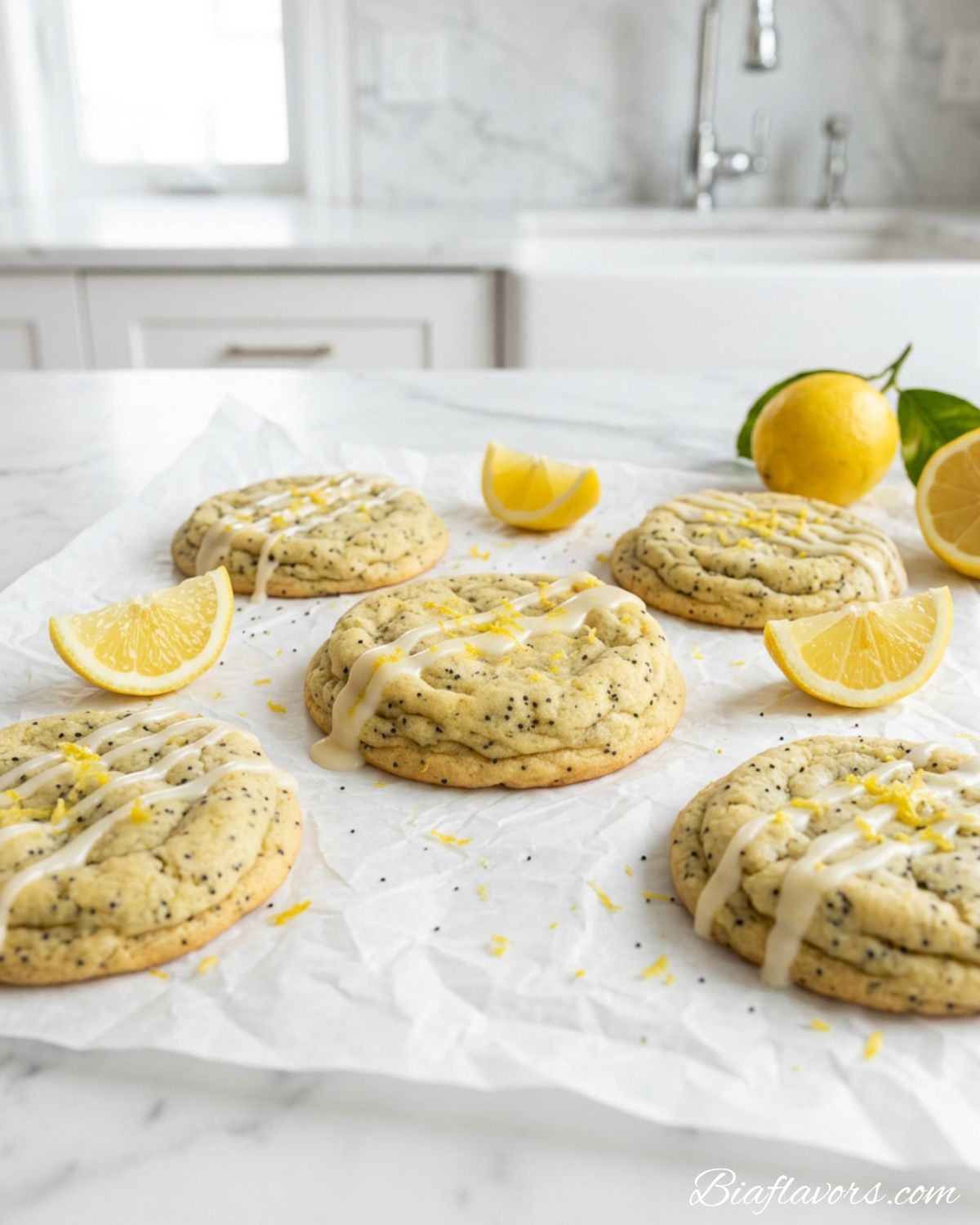
Lemon poppy seed cookies first showed up in my kitchen on a Tuesday afternoon when I had half a lemon sitting on the counter and absolutely no plan for it. I had already made tea, already squeezed it over pasta and yet there it was, just sitting there. So I zested it into some sugar, rubbed it with my hands, and something magical happened. The whole kitchen filled with this sharp, floral citrus smell that made me stop and think: these cookies are going to be something.
I had not planned for a recipe that day. But thirty minutes later, I had twelve golden, perfectly puffy lemon poppy seed cookies cooling on the rack. My husband came in from the backyard, picked one up before they had even fully cooled, and said nothing. He just took another one. That is the kind of review I trust.
Now this recipe is one of my most-made. It is the cookie I bring to potlucks, the one I make when someone is having a rough week, and honestly the one I bake when I just want the house to smell incredible. If you have never made lemon poppy seed cookies from scratch, today is a very good day to start.
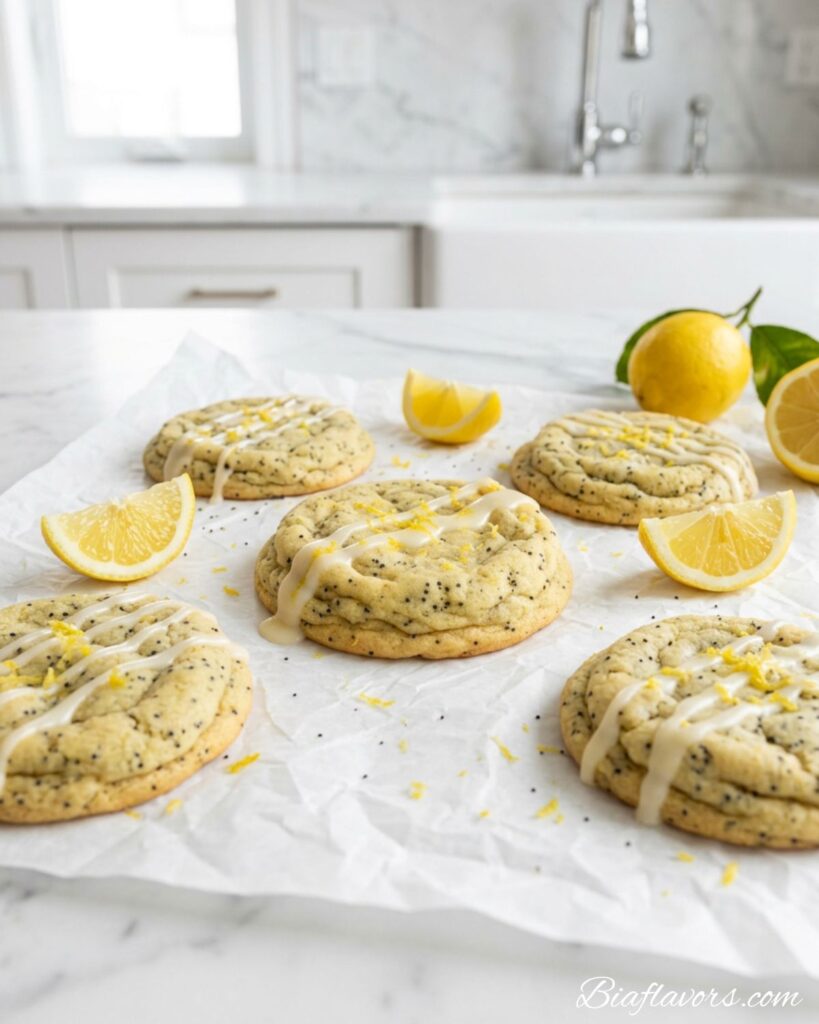
Why You’ll Love These Lemon Poppy Seed Cookies
These are not your average drop cookies. The lemon zest gets massaged directly into the granulated sugar before you add anything else, which pulls out all the fragrant oils from the peel. That one step makes the lemon flavor go deeper than just adding juice. You get a brighter, more complex citrus taste in every single bite not just a hint of lemon, but a real presence.
One bowl, a hand mixer, and twenty minutes from start to finish. No chilling the dough. No fancy equipment. The lemon glaze on top takes two minutes and uses ingredients you already have. They stay soft at room temperature for up to four days, which honestly almost never happens with homemade cookies. Whether you are a beginner baker or someone who bakes every weekend, this recipe fits right in.
Ingredients for Lemon Poppy Seed Cookies
For the Cookies
- 3/4 cup (150 g) granulated sugar — This is your main sweetness. You’ll rub the lemon zest into it first so the citrus oils fully infuse the sugar and flavor every bite.
- 1 tablespoon lemon zest (from 1 large lemon) — Fresh zest only. This is where the real lemon flavor lives; it gives that bright, natural citrus taste.
- 1/4 cup (50 g) light brown sugar, packed — Adds a light caramel note and keeps the cookies soft with a slight chew in the center.
- 1/2 cup (113 g) unsalted butter, room temperature — Must be soft for proper creaming. Cold butter will make dense cookies, so let it sit out first.
- 1 large egg, room temperature — Helps everything mix smoothly and keeps the dough from breaking or curdling.
- 1 teaspoon vanilla extract — Rounds out the lemon flavor and keeps it from tasting too sharp.
- 2 cups (250 g) all-purpose flour, spooned and leveled — Spoon and level for accuracy. Scooping directly adds extra flour and makes cookies dry.
- 1/2 teaspoon baking soda — Helps the cookies rise slightly and stay soft.
- 1/2 teaspoon baking powder — Works with baking soda for a lighter, tender texture.
- 1/2 teaspoon salt — Balances sweetness and makes the lemon flavor pop.
- 1 tablespoon poppy seeds — Adds texture and that classic lemon poppy seed look.
For the Lemon Glaze
- 1 cup powdered sugar, sifted — Sifting keeps the glaze smooth and lump-free.
- 4 tablespoons fresh lemon juice or milk — Lemon juice gives a tangy, bright glaze; milk makes it milder and sweeter. Adjust until you get a drizzle consistency.
How to Make Lemon Poppy Seed Cookies (Step by Step)
Step 1: Prepare the Oven & Baking Sheets
Preheat the oven to 350°F (175°C). Line two baking sheets with parchment paper and set them aside. The parchment helps prevent sticking and keeps the bottoms baking evenly without getting too dark.
Step 2: Infuse the Sugar with Lemon Zest
Add granulated sugar and lemon zest to a large bowl. Use your fingertips to rub the zest into the sugar for about 20 seconds. You’ll feel the sugar become slightly damp and smell the lemon oils releasing this step is what gives the cookies that strong, fresh lemon flavor.
Step 3: Cream Butter and Sugars
Add brown sugar and room-temperature butter to the bowl. Beat on medium-high speed for 2–3 minutes until light, pale, and fluffy. Don’t forget to scrape down the sides of the bowl otherwise, you’ll end up with uneven dough and hidden butter pockets.
Step 4: Add Egg and Vanilla
Mix in the egg and vanilla just until combined (about 20 seconds). Keep it quick overmixing at this stage can affect texture.
Step 5: Mix Dry Ingredients
In a separate bowl, whisk together flour, baking soda, baking powder, and salt until everything is evenly distributed.
Step 6: Combine Wet and Dry Mixtures
Add dry ingredients to the butter mixture and mix on low speed. Stop as soon as no dry flour is visible. Don’t overmix it can make the cookies tough instead of soft.
Step 7: Add Poppy Seeds
Stir in the poppy seeds just until evenly spread throughout the dough. Keep it gentle and quick.
Step 8: Shape the Dough
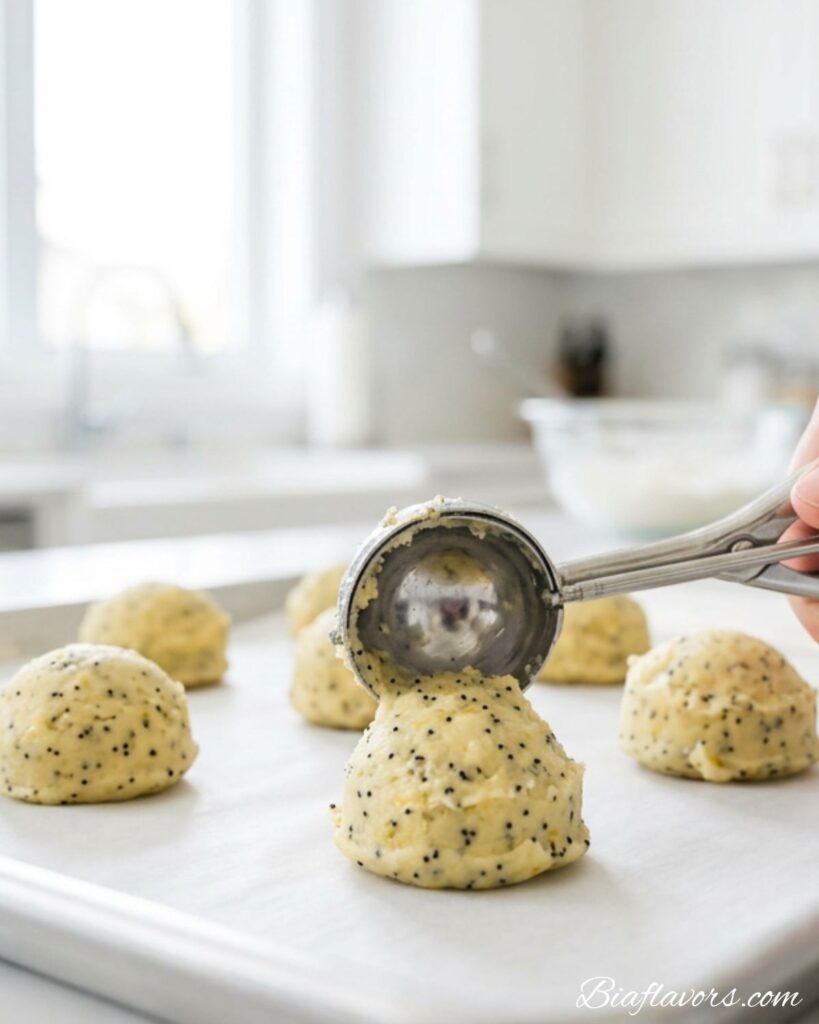
Scoop the dough into 12 equal balls using a cookie scoop. Place them on baking sheets with 2–3 inches of space between each one so they can spread properly.
Step 9: Bake the Cookies
Bake one tray at a time on the center rack for 9–10 minutes. The edges should be set but the centers will still look soft and slightly underdone that’s exactly what you want for soft cookies.
Step 10: Cool Properly
Let cookies rest on the baking sheet for 15 minutes before moving them. This step is important they’re too soft right out of the oven and need time to set. After that, transfer to a wire rack to cool completely.
Step 11: Make and Add the Glaze
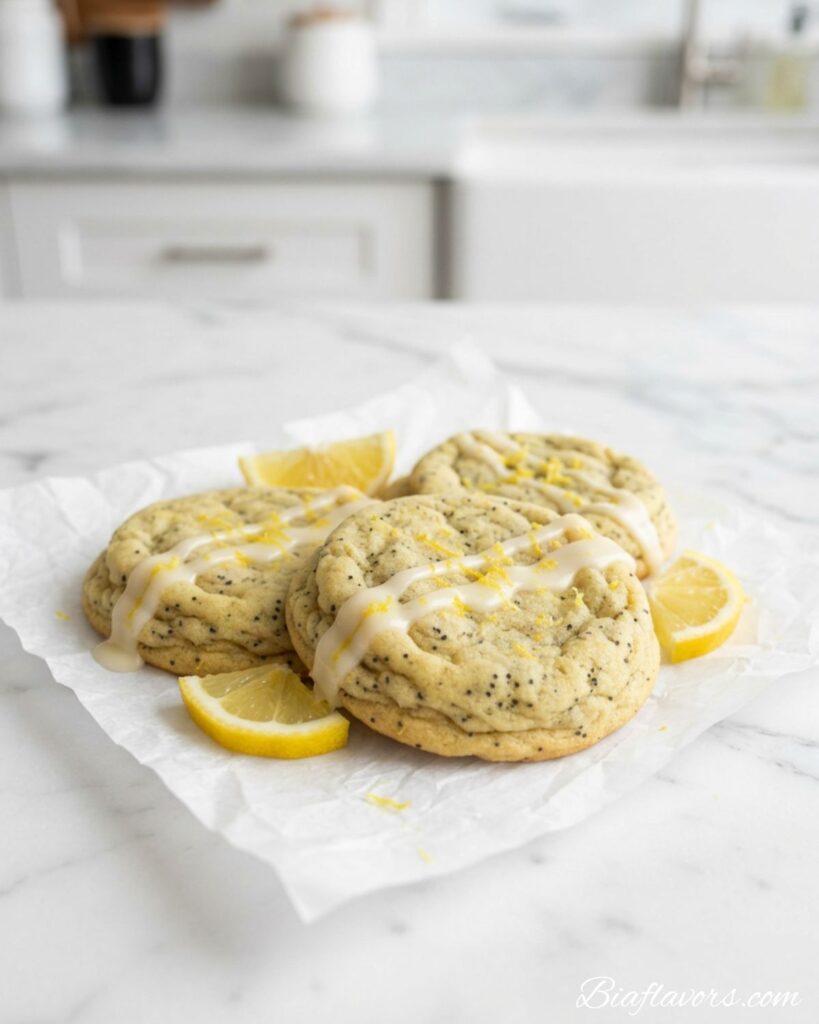
Whisk together sifted powdered sugar and lemon juice (or milk) until smooth. Adjust consistency as needed thicker for a drizzle effect, thinner for a light glaze. Once cookies are fully cooled, drizzle the glaze on top and finish with a sprinkle of poppy seeds.
Expert Tips for Perfect Lemon Poppy Seed Cookies
Massage the Lemon Zest into the Sugar
I’ve learned this the hard way don’t skip it. The first time I made these, I just mixed the zest in with everything else and the flavor was okay but kind of flat. Rubbing the zest into the sugar first releases the oils and suddenly the cookies taste properly lemony. It only takes 20 seconds, but it completely changes the result.
Use Room Temperature Butter and Eggs
Cold ingredients can ruin the texture. Cold butter won’t cream properly and can make the dough uneven or greasy. Cold eggs can also make the mixture look slightly curdled. I usually leave everything out for 30–40 minutes. If I forget, I warm the egg in water for a few minutes and soften the butter in very short bursts.
Spoon and Level Your Flour
This one changed my baking completely. I used to scoop flour straight from the bag and ended up with dry, heavy cookies that didn’t spread at all. Spooning the flour into the cup and leveling it keeps things accurate and avoids adding too much. That small change fixes a lot.
Always Use Fresh Lemon Juice
I tried bottled lemon juice once when I was in a hurry, and it just didn’t taste right it felt sharp and artificial. Fresh lemon juice gives the glaze a clean, bright flavor that actually tastes like real lemon. It’s worth the extra minute.
Bake One Tray at a Time
I used to rush and bake both trays together, but it never worked well. One would overbrown and the other would bake unevenly. The center rack really does give the most consistent heat. It takes a bit longer, but the results are much better.
Cool Completely Before Glazing
This is the hardest part because you want to finish them quickly. But if the cookies are even slightly warm, the glaze melts and disappears into the cookie. Let them cool fully so the glaze sits nicely on top and sets properly.
Optional: Add Extra Lemon Flavor
If you love strong lemon flavor, add about 1/2 teaspoon of lemon extract along with the vanilla. I don’t always do it, but when I want a more intense citrus kick, it really takes the cookies up a level.
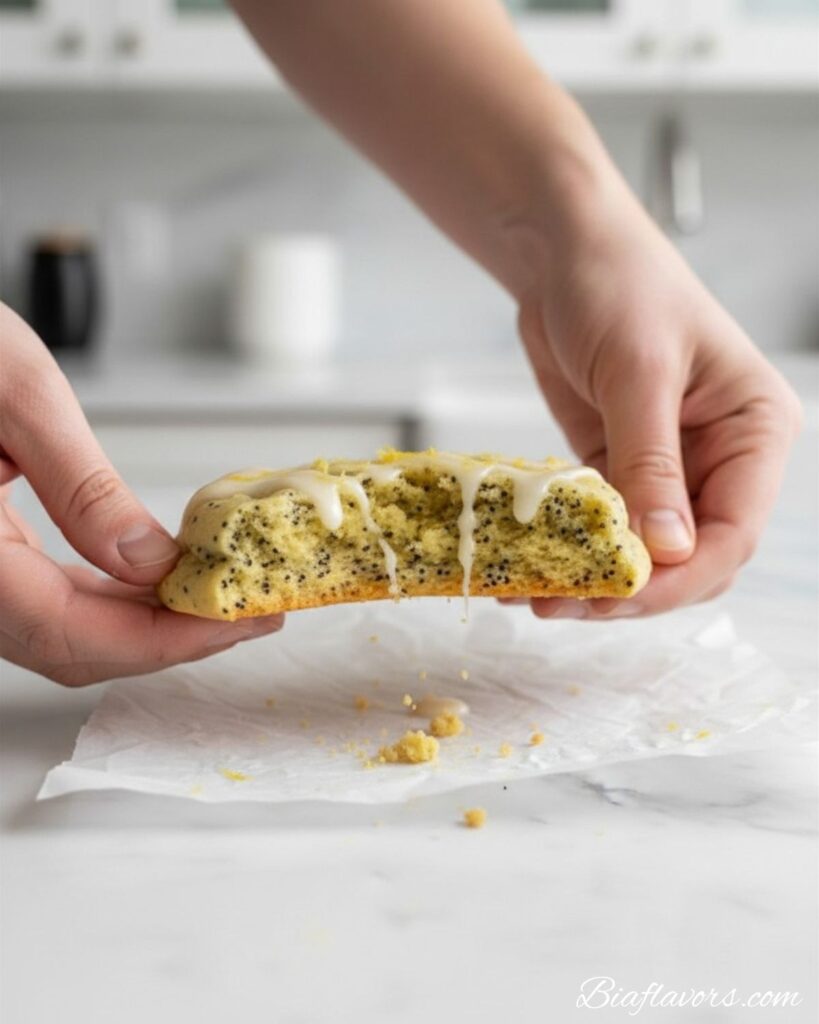
Ingredient Substitutions
This recipe is pretty flexible, and I’ve personally tested a few swaps that actually work really well.
- Instead of unsalted butter, you can use vegan butter like Earth Balance or Miyoko’s. The texture stays almost the same and the cookies still turn out soft. Coconut oil also works, but it adds a slight coconut flavor.
- Instead of all-purpose flour, use a 1:1 gluten-free flour blend (Bob’s Red Mill or King Arthur Measure for Measure both work well). The cookies will be a bit more crumbly, but still really good.
- Instead of a regular egg, use a flax egg (1 tbsp ground flaxseed + 3 tbsp water, rested for 5 minutes). The cookies may spread slightly more but still hold together fine.
- Instead of granulated + brown sugar, you can use coconut sugar. The cookies will be a little darker with a mild caramel-like taste under the lemon.
- Instead of poppy seeds, chia seeds or hemp seeds both work. They give the same light crunch and speckled look.
- Instead of a powdered sugar glaze, you can skip it and roll the dough balls in powdered sugar before baking for a crinkle-style finish.
How to Store Lemon Poppy Seed Cookies
These cookies actually stay soft for days if you store them right.
- Room temperature: Keep cooled cookies in an airtight container for up to 4 days. If stacking, place parchment paper between layers so the glaze doesn’t stick.
- Refrigerator: If your kitchen is warm, store them in the fridge for up to 7 days. Let them sit out for a bit before eating so they soften again.
- Freezer (baked cookies): Freeze unglazed cookies for best results. Freeze in a single layer first, then transfer to a freezer bag. They last up to 2 months. Thaw at room temperature and glaze after thawing.
- Freezer (dough): You can also freeze cookie dough balls. Bake straight from frozen at 350°F, just add 1–2 extra minutes to the bake time.
More Cookies Recipes
- Peanut Butter Cookies
- Oatmeal Chocolate Chip Cookies
- Peanut Butter Blossoms
- Chocolate Crinkle Cookies
- Chocolate Chip Banana Cookies
- Brookies Cookies
- Lemon Crinkle Cookies
- Chocolate Chip Cheesecake Cookies
FAQS About Lemon Poppy Seed Cookies
Can I make lemon poppy seed cookies ahead of time?
Yes, absolutely. You can make the dough up to 48 hours ahead and store it covered in the fridge. You can also bake the cookies ahead and store them at room temperature, unglazed. Add the lemon glaze on the day you plan to serve them for the freshest result.
Why are my lemon poppy seed cookies flat?
The most common reason is butter that was too soft or even melted before mixing. Your butter should be soft enough to press a finger in but still hold its shape. Another cause is too little flour from scooping directly from the bag. Try spooning the flour instead and make sure your butter is just at room temperature.
Can I make these without poppy seeds?
Yes. The cookie dough works perfectly without them. You will just have a soft lemon sugar cookie instead of a lemon poppy seed cookie. If you want the texture back without the seeds, a tablespoon of chia seeds or finely chopped lemon zest pressed into the tops before baking both work well.
How long do lemon poppy seed cookies last?
At room temperature in an airtight container, they stay soft for 4 days. In the fridge, up to 7 days. In the freezer, up to 2 months. Always store them with a piece of parchment between layers if they are glazed, so they do not stick together.
Why did my lemon glaze turn out too thick or too thin?
Glaze thickness depends on humidity, how much you packed the powdered sugar, and how much lemon juice you added. If it is too thick to drizzle, add lemon juice one teaspoon at a time. If it is too runny, add powdered sugar one tablespoon at a time. Aim for a consistency that falls off a spoon in a slow, steady ribbon.
Can I use bottled lemon juice instead of fresh?
For the glaze, bottled juice will work in a pinch but it gives a slightly artificial and sharp flavor compared to fresh. For the cookie dough, you are using lemon zest, not juice, so the citrus flavor comes from the zest regardless. Fresh lemon is strongly recommended for the best flavor.
Can I double this lemon poppy seed cookies recipe?
Yes, this recipe doubles easily. Just use a larger bowl and a stand mixer if you have one, since doubling can be a bit much for a small hand mixer. Bake time stays the same. You will end up with 24 cookies, which disappear faster than you expect.
Why do my lemon poppy seed cookies taste bland?
This almost always comes down to skipping the zest massage step or using too little zest. Make sure you are using a full tablespoon of freshly zested lemon, and be thorough when rubbing it into the sugar. That step releases the citrus oils that carry the lemon flavor through the whole cookie.
Final Thoughts
Lemon poppy seed cookies are one of those recipes that always earns a reaction. There is something about that combination of bright citrus, tender crumb, and sweet glaze that just works in a way that feels both familiar and a little unexpected. Every time I bring them somewhere, at least two people ask for the recipe before they finish their first cookie.
I hope you love these as much as we do. If you make them, leave a comment below and let me know how they turned out. Did you use the lemon glaze or skip it? Did you add extra zest? I genuinely want to know. And if you are looking for more easy cookie recipes, you might also enjoy my Classic Soft Sugar Cookies or my Brown Butter Snickerdoodles. Happy baking.
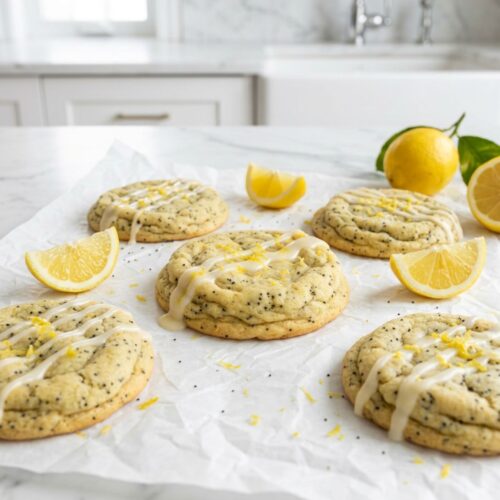
Lemon Poppy Seed Cookies

Instructions
For the Cookies
- 3/4 cup (150 g) granulated sugar
- 1 tablespoon lemon zest (from 1 large lemon)
- 1/4 cup (50 g) light brown sugar
- 1/2 cup (113 g) unsalted butter, room temperature
- 1 large egg, room temperature
- 1 teaspoon vanilla extract
- 2 cups (250 g) all-purpose flour (spooned & leveled)
- 1/2 teaspoon baking soda
- 1/2 teaspoon baking powder
- 1/2 teaspoon salt
- 1 tablespoon poppy seeds
For the Lemon Glaze
- 1 cup powdered sugar, sifted
- 4 tablespoons fresh lemon juice (or milk for milder flavor)
- Preheat oven to 350°F (175°C). Line two baking sheets with parchment paper.
- Rub lemon zest into granulated sugar using your fingertips for 20 seconds to release oils.
- Add brown sugar and butter. Beat until light and fluffy (2–3 minutes).
- Mix in egg and vanilla until just combined.
- In a separate bowl, whisk flour, baking soda, baking powder, and salt.
- Add dry ingredients to wet ingredients and mix until just combined.
- Fold in poppy seeds gently.
- Scoop dough into 12 equal balls and place on baking sheet.
- Bake for 9–10 minutes until edges are set but centers look soft.
- Cool on tray for 15 minutes, then transfer to wire rack.
- Mix glaze ingredients until smooth and drizzle over cooled cookies.
Notes
- This dough tastes best when you don’t rush it especially the lemon zest + sugar step, which builds the real flavor.
- The cookies will look a little soft and underbaked when you take them out, but they continue setting on the baking sheet as they cool. Don’t overbake them.
- Always use room-temperature butter and egg for the smoothest dough and even texture.
- If your cookies are not spreading enough, it’s usually because too much flour was added spoon and level is key.
- For a stronger lemon flavor, you can add a small splash of lemon extract, but the zest alone already gives a natural citrus taste.
- Let the cookies cool completely before glazing, otherwise the glaze will melt and lose its clean finish.
- These cookies actually taste even better the next day once the flavors settle together.